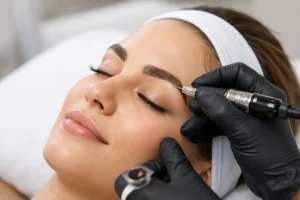
You may want lips that look more even, softly tinted, and polished without reaching for liner or lipstick every morning. That is where the lip blush vs lip tattoo conversation becomes meaningful. While both treatments deposit pigment into the lips, the finished look, technique, healing process, and level of customization can be very different.
For most clients seeking a fresh, natural-looking enhancement, lip blush is designed to create a sheer wash of color that works with the lips they already have. Traditional lip tattooing can still be appropriate in certain situations, but it often refers to a more saturated, less flexible style of permanent color. The right choice should come down to your lip tone, skin tone, lifestyle, desired level of definition, and the artistry of your provider.
Lip Blush vs Lip Tattoo: The Real Difference
Lip blush is a form of cosmetic tattooing, but it is not simply a tattooed lipstick color. The goal is typically a soft, translucent effect that restores balance to the lips. It can improve the appearance of pale or uneven color, create subtle definition around the vermilion border, and make the lips look healthier and more refined.
A traditional lip tattoo is often associated with denser pigment placement and stronger color saturation. Older techniques could leave clients with a more obvious outline, a solid lipstick-like finish, or tones that healed differently from what they expected. Modern permanent makeup has evolved considerably, but the term “lip tattoo” still often suggests a bolder, more permanent-looking result.
The distinction matters because beautifully enhanced lips should still look like your lips. A skilled artist does not approach every client with the same pigment or shape. Instead, they assess undertones, natural asymmetry, lip texture, and how much visible color will feel authentic to the client’s features.
Lip blush is designed for softness
Lip blush is usually built in light, controlled layers. Rather than creating a harsh perimeter, the artist blends color gradually across the lips to produce a diffused effect. Once healed, it may resemble the look of a favorite tinted balm or a naturally rosy lip tone.
This treatment is especially appealing for clients who feel that their lips have lost color over time, have minor unevenness between the upper and lower lip, or want to spend less time applying makeup. It can also help create a more balanced appearance when one area of the lip looks darker, lighter, or less defined than another.
A lip tattoo may be more saturated
The phrase lip tattoo can describe a range of procedures, including modern cosmetic lip pigmentation. Still, if the intended result is a strong outline or opaque color, it will generally look more like makeup than lip blush. This is not automatically a negative. Some clients prefer more visible color and definition, particularly if they wear lipstick regularly.
The trade-off is that a highly saturated color gives you less flexibility. Your preferences can change, your natural lip tone can shift, and a bold shade may not suit every season or makeup look. Soft, neutral color selections tend to age more gracefully and are easier to wear every day.
How the Technique Affects Your Results
The quality of any lip pigmentation treatment depends heavily on the consultation, mapping, pigment choice, and pressure control during the procedure. Lip skin is delicate, and a treatment that looks effortless after healing requires careful planning before pigment is ever placed.
During a personalized lip blush appointment, the artist evaluates your natural lip color and chooses a pigment family that supports it. A warm coral, soft pink, rose, berry, or nude tone may be adjusted with modifiers to prevent the healed color from becoming too cool, too bright, or too muted. The color seen immediately after treatment will not be the final color. Lips commonly appear more vivid at first, then soften significantly as they heal.
Shape also deserves a thoughtful approach. Lip blush can enhance the appearance of symmetry and definition, but it should not be used to dramatically overline the lips beyond their natural border. Trying to create volume with pigment alone can look unnatural. If fullness is the goal, a consultation can help determine whether lip blush, injectable treatment from an appropriate medical provider, or a combination approach is more realistic.
Healing: What Clients Should Expect
Healing is one of the biggest reasons clients should not choose a lip treatment based on a photo alone. Fresh results are not healed results. Immediately after a lip blush or lip tattoo procedure, lips can look brighter, deeper, and slightly fuller due to normal swelling. For many clients, swelling is mild and temporary, but every healing experience is individual.
Over the next several days, the lips may feel dry, tight, or lightly flaky. The color can appear to fade dramatically before it returns and settles. This stage can be surprising if you are not prepared for it, but it is part of the normal pigment-settling process. Final healed color typically develops over several weeks, and a follow-up session is often recommended to refine areas where the skin retained less pigment.
Follow your provider’s specific aftercare instructions closely. In general, clients should keep the lips clean, use only approved aftercare products, avoid picking or exfoliating flaking skin, and protect the area from unnecessary heat, moisture, and sun exposure while healing. Plans for intense workouts, swimming, saunas, and long days in direct sun may need to wait.
If you have a history of cold sores, discuss it before booking. Lip procedures can trigger an outbreak in susceptible clients, and a medical provider may recommend preventive antiviral medication. You should also disclose allergies, current medications, previous cosmetic tattoo work, active skin concerns, and any medical conditions that could affect healing.
Longevity Is Not the Same as Permanence
Neither lip blush nor a cosmetic lip tattoo should be viewed as a one-time color decision for life. Pigment fades over time because of skin turnover, sun exposure, skincare habits, metabolism, and the natural chemistry of the lips. Lip blush is often considered semi-permanent, with many clients choosing a color refresh when they notice the result has become too soft for their preference.
A more saturated lip tattoo may appear to last longer visually, but that does not necessarily make it the better choice. Stronger pigment can fade unevenly, shift in tone, or become harder to adjust later. The best long-term result is usually one that begins conservatively and is enhanced thoughtfully over time.
Touch-ups are also not a sign that something went wrong. They are part of maintaining a polished result. Just as hair color, brows, and skincare treatments benefit from upkeep, lip pigmentation may need a refresh to keep the color balanced and flattering.
Who Is a Good Candidate for Lip Blush?
Lip blush is often a beautiful choice for someone who wants their lips to look naturally more awake, even, and defined. It works well for clients who prefer low-maintenance beauty, want a subtle alternative to daily lipstick, or have uneven natural lip tone.
It can also be considered for some clients seeking color correction, including those with cooler or darker areas of pigmentation. However, correction work requires advanced knowledge of undertones and should never be rushed. Multiple sessions may be needed, and the goal should be realistic improvement rather than an instant, dramatic change.
You may want to postpone treatment if you have severely dry or cracked lips, an active cold sore, a current infection, recent lip filler that has not settled, or a medical condition that affects healing. Pregnancy, breastfeeding, blood-thinning medications, and certain skincare or acne medications can also affect eligibility. A thorough consultation is the right place to review your history and determine whether treatment is appropriate.
Choosing a Result You Will Still Love Later
When comparing lip blush and lip tattoo options, focus less on the name of the service and more on the artist’s healed work. Fresh photos can be beautiful, but healed results reveal whether color selection, saturation, and technique were truly successful. Look for soft edges, even tone, and color that complements the client rather than overpowering their face.
Ask how the artist approaches color correction, whether a perfecting session is included or recommended, and what healing support you can expect. A premium experience should feel informative and comfortable, not rushed. You should understand what the treatment can improve, what it cannot change, and how your lips may look at every stage of healing.
For clients in Sandy Springs and the greater Atlanta area, Brows by VJ approaches lip blush as a personalized enhancement, with thoughtful mapping and pigment selection tailored to your natural features. The most flattering lip color is rarely the boldest one. It is the one that makes you look rested, confident, and beautifully like yourself – even on a makeup-free morning.