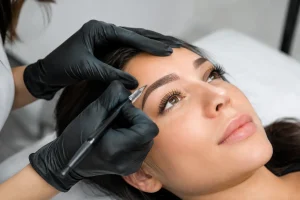
A facial should not leave you guessing whether your skin will look better tomorrow or simply feel temporarily soft. When concerns like recurring breakouts, congestion, uneven texture, dullness, visible pores, or early signs of aging are part of the picture, medical facials offer a more intentional approach. The treatment is selected around your skin’s current condition, your comfort level, and the result you want to see in the mirror.
For clients who want polished, natural-looking skin rather than an overtreated appearance, personalization matters. The right facial can create a fresh, hydrated glow before an event, but it can also become part of a longer-term plan for clearer, smoother, more balanced-looking skin.
What Makes Medical Facials Different?
Medical facials are advanced, results-focused treatments that go beyond a standard relaxation facial. They often combine professional-grade products, deeper cleansing, targeted exfoliation, extractions when appropriate, hydration, and technology-based services selected for a specific skin concern.
The word “medical” does not mean every appointment is aggressive or that every client needs the same level of correction. A well-designed treatment may be gentle and restorative for a dry, reactive complexion, while another may focus on clearing congestion or improving rough texture. The difference is in the assessment, the quality of the treatment plan, and the intention behind every step.
At Brows by VJ, facial care is approached with the same attention to facial balance and detail that goes into advanced brow artistry. Your skin should be evaluated as an individual canvas, not treated according to a one-size-fits-all menu.
Start With the Skin You Have Today
Skin changes with the seasons, stress, travel, hormones, medications, and home-care habits. A facial that felt perfect three months ago may not be the best choice now. That is why a thoughtful consultation comes first.
Your provider should ask about sensitivity, current products, active breakouts, recent procedures, sun exposure, and the amount of downtime you can comfortably manage. They should also listen to the details that are easy to dismiss but meaningful to your result, such as whether makeup catches on dry patches, whether your T-zone is congested by midday, or whether you are preparing for photos, a wedding, or a permanent makeup appointment.
This conversation helps determine whether your skin would benefit most from hydration, exfoliation, extractions, dermaplaning, acne-focused care, or a technology-supported treatment. It also identifies when less is more. If your skin barrier is irritated, piling on strong exfoliants can make redness, dryness, and sensitivity worse.
Common goals a treatment can address
Many clients schedule medical facials because they want a brighter, cleaner appearance. Others are working through more persistent concerns. Depending on your skin and the services recommended, treatment may help improve the appearance of congestion, blackheads, uneven texture, dehydrated skin, dull tone, mild discoloration, and acne-prone areas.
Results are not identical for everyone, and a facial is not a replacement for medical dermatology when there is a significant skin condition. For ongoing acne, pigmentation, or inflammation, consistency and the right combination of professional care and home care usually matter more than one intensive appointment.
Choosing the Right Type of Facial Treatment
A good provider does not begin with a favorite device or a preset package. They begin with your goal. Here is how several popular options may fit into a personalized plan.
Hydrating and deep-cleansing facials
A Hydrafacial-style treatment can be an excellent choice when skin looks dull, feels dehydrated, or needs a thorough but comfortable refresh. The process typically cleanses, exfoliates, clears surface congestion, and infuses hydration. Many clients appreciate that it can leave skin looking immediately more radiant with little to no downtime.
It can be especially useful before a special occasion, but it is not only an event treatment. Regular appointments may help support clearer-looking pores and a more consistently hydrated complexion. If you have very active inflammation or a compromised skin barrier, the treatment should be adjusted accordingly.
Dermaplaning for smoother makeup application
Dermaplaning uses a sterile blade to gently remove dead surface skin cells and fine facial hair. The result is a smoother feel and often a more even makeup application. It can also help create a clean surface for certain professional treatments and skin care products.
Dermaplaning does not make hair grow back darker or thicker. However, it is not ideal for every face at every appointment. Clients with active acne, open lesions, or significant irritation may need to wait until their skin is calmer before choosing this service.
Acne-focused facial care
Acne treatments are most effective when they are strategic rather than overly harsh. For some clients, that means careful cleansing and extractions. For others, it means calming inflammation, reducing excess surface buildup, and building a home routine that does not strip the skin.
There is a common temptation to scrub, pick, and over-exfoliate when breakouts appear. Those habits can lead to more irritation and increase the risk of lingering marks. Professional care offers a cleaner, more controlled way to address congestion while protecting the skin barrier as much as possible.
Advanced rejuvenation treatments
For concerns such as texture changes, fine lines, acne scarring, or loss of firmness, a provider may recommend treatments like RF microneedling, Morpheus8, or IPL as part of a broader rejuvenation plan. These are different from a traditional facial and generally involve more preparation, more specific aftercare, and a realistic discussion of recovery.
They can be powerful options for the right candidate, but more intensive does not automatically mean better. Skin tone, sensitivity, medical history, lifestyle, and the timing of upcoming events should all shape the decision. An experienced provider will explain what the treatment can reasonably improve, how many sessions may be needed, and what healing may look like.
What to Expect Before and After a Medical Facial
Before your appointment, avoid experimenting with strong new products. If you use prescription skin care, retinoids, exfoliating acids, or have recently had injectables or another procedure, share that information during booking or consultation. It helps your provider choose a safe, effective approach.
During the facial, you should feel informed and comfortable. Some steps, such as extractions or exfoliation, can create temporary sensation, but pain should never be brushed aside. Speak up if anything feels too intense. Customized care includes adjusting technique in real time.
Afterward, your skin may look bright and refreshed immediately, or it may have mild temporary redness depending on the service. This is one reason timing matters. If you have an important event, schedule a first-time or more intensive treatment far enough in advance to learn how your skin responds.
For the next few days, follow the aftercare guidance you receive. In general, this often means gentle cleansing, consistent moisturizer, daily SPF, and pausing strong exfoliants if instructed. Avoid picking at the skin, even if a small area of congestion becomes more noticeable after treatment.
How Often Should You Schedule Medical Facials?
There is no universal schedule. Clients seeking a maintenance glow may choose a facial every four to six weeks, which roughly aligns with the skin’s natural renewal cycle. Someone addressing congestion, dehydration, or uneven texture may begin with a more focused series and then transition into maintenance.
Your at-home routine also affects frequency. A beautifully performed facial cannot fully offset daily sun exposure without sunscreen, inconsistent cleansing, or products that irritate your skin. On the other hand, a simple, well-matched routine can extend the visible benefits of professional treatment.
The best plan is one that fits your skin, budget, schedule, and comfort with downtime. Consistency should feel sustainable, not like another complicated obligation.
A Refreshed Look Should Still Look Like You
The goal of professional facial care is not to erase every pore or create a face that looks filtered. Healthy skin has texture. It changes from day to day. The most beautiful results tend to look rested, clear, hydrated, and naturally balanced rather than obvious.
If you are considering a medical facial, begin with an honest conversation about what is bothering you most and what kind of result feels like you. That clarity makes it much easier to choose a treatment that supports your skin now and builds confidence each time you catch your reflection.