Oily skin can make a beautifully applied brow treatment heal differently than it would on dry or balanced skin. If you are considering powder brows for oily skin, the good news is that this technique is often one of the most flattering and practical permanent makeup options available. The key is choosing the right brow style, realistic color, and experienced artist who understands how skin behavior shapes the final result.
Powder brows create a soft, misted makeup effect that can be as subtle as a tinted brow gel or as defined as a polished brow pencil. For clients who are tired of filling in sparse tails, uneven arches, or fading brow color each morning, the treatment can offer long-lasting definition without looking harsh or overly tattooed.
Why Oily Skin Changes Permanent Makeup Results
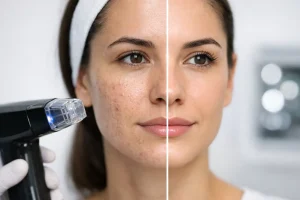
Sebum, the natural oil produced by your skin, is not a problem to fix. It is simply one of the factors an artist considers when planning your treatment. Oilier skin may cause pigment to heal softer, lighter, or slightly more diffused than it does in dry skin. It can also affect how long a crisp hair-stroke technique remains visible.
That is why powder brows are frequently recommended for clients with oily or combination skin. Rather than relying on ultra-fine individual strokes, powder brows use layered pixelated shading to build soft density and shape. This approach tends to age more gracefully when the skin produces more oil, especially through the brow area and T-zone.
Results still vary. Skin texture, pore size, skincare habits, sun exposure, hormones, and your immune response all influence retention. A thoughtful consultation should account for each of these details instead of promising one identical result for every client.
Are Powder Brows for Oily Skin a Good Choice?
For many clients, yes. Powder brows can provide the appearance of fuller, more even brows while working with the natural characteristics of oily skin. The healed look is usually soft and powdery, not blocky. With customized shading, the front of the brow can remain lighter and airy while the arch and tail receive more definition.
This can be particularly appealing if your brow pencil tends to fade or slide by midday. It is also a strong option for clients with sparse brows, previous brow work that has faded unevenly, or skin that does not retain hair strokes consistently.
The trade-off is that oily skin may need an additional perfecting session or more frequent color refresh appointments over time. That does not mean the treatment has failed. Permanent makeup is a gradual process, and the touch-up is where your artist evaluates healing, reinforces areas that healed lighter, and refines the color balance.
If you prefer the look of delicate NanoStrokes or microblading, an experienced artist can assess whether your skin is a suitable candidate. In some cases, a combination brow with soft hair strokes at the front and powder shading through the body and tail may be the most natural-looking solution. The best technique is the one that will heal beautifully on your skin, not simply the one that looks best immediately after an appointment.
What a Customized Brow Design Should Consider
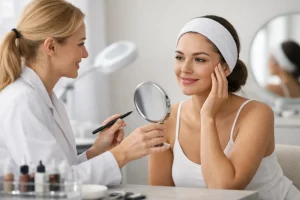
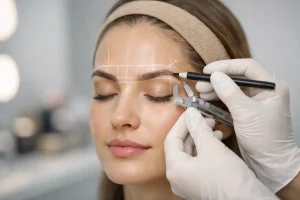
A premium powder brow service starts well before pigment is placed. Your artist should evaluate your natural brow growth, facial proportions, bone structure, skin condition, and desired level of definition. Detailed facial mapping creates balance while still respecting the features that make your face uniquely yours.
For oily skin, color selection matters just as much as shape. Because pigment may heal cooler or softer depending on the skin and its undertones, the initial formula should be chosen with the healed result in mind. The goal is never to give every client the same dark brown brow. It is to create a believable, flattering color that complements your hair, complexion, and everyday makeup preferences.
During the consultation, be open about your skincare routine. Retinoids, exfoliating acids, acne medications, chemical peels, facials, and certain prescription medications can affect your skin’s readiness for treatment and its healing response. This information helps your artist protect both your comfort and your result.
Healing Expectations for Oily Skin
Fresh powder brows look more defined and darker than the final healed result. In the first several days, the color may appear richer than expected, and mild flaking is a normal part of the healing process. As the skin renews itself, the brows can seem very light or patchy before the pigment settles back into the skin.
Oily skin can make this process feel especially unpredictable because the final shade may emerge softer than it does on drier skin. Patience is essential. Avoid judging the final result during the peeling stage, and give your skin the full healing period recommended by your artist before deciding whether an adjustment is needed.
Do not pick, scratch, or exfoliate flaking skin. Pulling away flakes can pull pigment with them and create uneven areas. Let the skin complete its natural process, even when the brows look temporarily uneven.
Aftercare That Supports Better Retention
Aftercare is not an optional extra. It is part of the treatment result, particularly for oil-prone skin. Your artist will provide instructions tailored to the technique used and your individual skin, and those instructions should always take priority.
In general, keep the brow area clean and avoid getting it overly wet during the initial healing window. Skip swimming, saunas, steam rooms, intense sweating, and direct sun exposure until you are cleared to resume them. Avoid brow makeup, active skincare ingredients, and heavy creams around the treatment area while the skin is healing.
For oily skin, resist the temptation to over-cleanse or use harsh products around the brows. Stripping the skin can trigger irritation and may increase oil production. Gentle care is usually more beneficial than aggressively trying to keep the area dry or matte.
Once fully healed, daily sunscreen around the brow area can help protect the color from premature fading. Keep exfoliating acids, retinol, and other active products away from the brows whenever possible. These products are excellent for many skincare goals, but repeated use directly over permanent makeup can speed up fading.
How Long Do Powder Brows Last on Oily Skin?
Most clients enjoy their powder brow results for one to three years, although the visible intensity gradually softens over time. On oily skin, color often fades more quickly than it does on dry skin, so a yearly color boost may be ideal for maintaining a polished appearance.
Lifestyle matters, too. Frequent sun exposure, regular use of exfoliating skincare, swimming, sweating, and certain professional skin treatments may shorten pigment longevity. On the other hand, a lighter, softly faded result can be a benefit for clients who enjoy adjusting their brow color or shape as trends and personal style evolve.
A refresh appointment is usually simpler than starting from scratch. It allows the artist to restore definition, correct subtle fading, and keep the brow shape looking current and balanced with your face.
Choosing an Artist Matters More Than Choosing a Trend
The most beautiful powder brows are not created by copying a social media photo. They come from precise mapping, conservative pigment placement, clean technique, and an artist who understands how to adapt for oily skin. Your brows should look intentional in close-up photos, in natural daylight, and on makeup-free days.
Ask to see healed results, especially on clients with skin similar to yours. Fresh brow photos can be beautiful, but healed work reveals how an artist’s color choices, technique, and retention planning perform over time. You should also feel comfortable discussing your concerns, whether that is fear of brows looking too dark, uncertainty about healing, or a desire to keep the result very natural.
At Brows by VJ, brow artistry begins with listening. A personalized powder brow plan can give oily skin the soft, dependable definition it often needs, while keeping the finished result balanced, refined, and true to your features. The right treatment should make getting ready feel easier, not make you look like someone else.