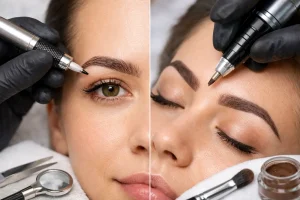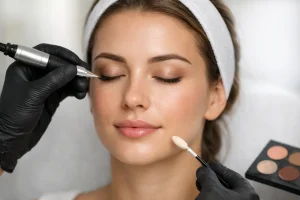
A great brow should look like it belongs to your face, not like it was stamped on top of it. That is why eyebrow tattooing begins long before pigment touches the skin. The best results come from careful facial mapping, an honest conversation about your routine and goals, and a technique chosen for your natural brow pattern, skin type, and desired level of definition.
For clients who are tired of filling sparse areas each morning, correcting uneven arches, or trying to make brow makeup survive workouts and humid Atlanta days, permanent brow enhancement can be a meaningful time-saver. The goal is not to give everyone the same dramatic brow. It is to create balanced, polished definition that still feels like you.
What Is Eyebrow Tattooing Today?
Eyebrow tattooing is a broad term for implanting pigment into the skin to enhance the shape, fullness, and color of the brows. Modern permanent makeup is far more customized than the harsh, solid brow tattoos many people remember. With the right artist, thoughtful color selection and detailed placement can create results ranging from whisper-soft to more makeup-ready.
The word “tattooing” can also be a little misleading because brow services are not all identical. Different tools, pigment placement depths, and application methods affect how the healed brows look and how they fade over time. This is why a consultation matters. A technique that looks beautiful on a friend may not be the best choice for your skin or lifestyle.
For example, clients with very dry, normal skin may be good candidates for delicate hair-stroke styles such as NanoStrokes, Microfeathering, or microblading. Those with oilier skin, mature skin, or a preference for more dependable overall coverage may love Ombré Powder Brows. Many clients benefit most from a combination approach: natural-looking strokes at the front with soft shading through the arch and tail.
The Difference Between Hair Strokes and Powder Brows
Hair-stroke techniques are designed to mimic the look of individual brow hairs. They can be especially appealing if you have patchy areas, overplucked brows, or little natural hair at the front of the brow. When placed with restraint, the strokes blend into existing hair and add believable structure without a heavy makeup effect.
Microblading uses a manual hand tool to create fine, hair-like marks. NanoStrokes are created with a machine and a very fine needle, allowing for precise, flexible stroke work. Neither is automatically “better.” Skin type, previous permanent makeup, natural brow density, and your preferred finish should guide the decision.
Powder brows use soft pixelated shading to build a diffused effect. Think of the finish as a well-applied brow pencil or powder, not a block of color. The front can remain airy while the tail has more definition, creating a gentle gradient. Powder brows are often an excellent choice for clients who fill in their brows daily, want a longer-wearing makeup look, or have skin that may not retain crisp hair strokes as predictably.
The trade-off is simple: hair strokes can look exceptionally natural, but they require the right canvas and may heal softer than expected. Powder brows offer more consistent density and longevity for many skin types, but they are intended to look softly enhanced rather than like bare individual hairs. A skilled artist will explain that difference clearly instead of steering every client toward one signature service.
Why Facial Mapping Changes the Result
Brows frame your eyes, influence facial expression, and can make the entire face appear more balanced. A few millimeters matter. That is why a personalized design should never be rushed.
Detailed facial mapping considers your bone structure, eye placement, natural brow growth, facial symmetry, and the way your muscles move when you speak or smile. Perfect symmetry is not realistic because no face is perfectly symmetrical. The goal is visual harmony – brows that look balanced at rest and natural in motion.
Color is just as personal. A pigment should work with your skin tone, undertone, natural brow hair, and how much definition you want once the brows heal. Fresh pigment usually appears stronger immediately after an appointment. It softens as healing progresses, which is one reason experienced artists avoid designing brows that are too dark or too sharp from the start.
At Brows by VJ, the consultation and design process is built around this face-specific approach. Your brow shape should support your features and your confidence, whether you want an understated restoration or a refined, ready-to-go finish.
What the Appointment and Healing Process Feel Like
Most first-time clients are more concerned about comfort and healing than the actual procedure. A professional appointment should include time for design approval, pigment discussion, and clear pre-care instructions. A topical numbing product is commonly used to support comfort throughout the service, though every client’s experience and sensitivity level is different.
The treatment itself generally takes a few hours because artistry cannot be rushed. Much of that time is spent measuring, mapping, adjusting the shape, and making sure you feel comfortable with the plan before the procedure begins.
Afterward, brows will usually look darker, sharper, or warmer than the final healed result. During the first week, mild tenderness, flaking, and a temporary loss of color intensity can be part of normal healing. It is tempting to pick at flakes or judge the result too soon, but both can interfere with pigment retention.
Follow your artist’s aftercare instructions closely. This often means keeping the area clean, avoiding excessive sweat and steam for a period of time, staying out of pools and direct sun, and letting the skin heal without rubbing or peeling. Healing timelines vary, but many clients see the more settled color emerge over several weeks.
A perfection session, often called a touch-up, is usually part of the process. It allows the artist to assess how your skin retained pigment, refine areas that healed lighter, and adjust depth or density if needed. Permanent makeup is not a one-appointment promise of a forever result. It is a layered service that respects how individual skin behaves.
Who Should Wait Before Booking?
The safest, most flattering brow work starts with appropriate timing. If you are pregnant or nursing, taking blood-thinning medication, managing certain skin conditions, undergoing medical treatment, or prone to keloid scarring, speak with a qualified medical provider and disclose your history to your artist before scheduling. You may need to postpone or seek medical clearance.
Active acne, eczema, sunburn, irritation, or an infection around the brow area should also be fully resolved before treatment. Clients using retinoids or having recent chemical peels, laser services, Botox, or other facial treatments may need to follow a specific waiting period. Honest intake information protects both your result and your wellbeing.
Previous brow tattooing deserves special attention. Faded work is not always ready for a simple cover-up. Depending on the color, shape, saturation, and location of the existing pigment, correction or removal may be the more responsible path. A reputable artist will assess this carefully rather than promise an unrealistic transformation.
Choosing an Artist for Eyebrow Tattooing
Beautiful permanent brows are equal parts technical skill and aesthetic judgment. When evaluating an artist, look beyond heavily filtered fresh photos. Ask to see healed results, especially on clients with skin similar to yours. Look for work that has clean structure, soft color, and shapes that vary from face to face.
You should also feel comfortable asking about sanitation, licensing, pigments, consultation practices, healing support, and touch-up policies. The right provider welcomes thoughtful questions. They should explain what is achievable for your brows, including limitations, rather than making every outcome sound guaranteed.
For men, this is especially important. Men’s brow restoration usually calls for a different design philosophy: preserving a straighter, fuller, more naturally textured appearance rather than creating an overly sculpted arch. Subtlety is still artistry.
A Result That Makes Mornings Easier
The most successful brow tattooing does not announce itself. It gives you the quiet confidence of waking up with brows that look more even, complete, and intentional. You may still choose to add makeup for a special event, but the daily guesswork is gone.
Give yourself permission to be selective. Bring inspiration photos, but stay open to expert guidance based on your own features and skin. When the design is customized, the healing plan is respected, and the artist prioritizes natural balance over trends, your brows can feel less like a cosmetic change and more like a return to the version of yourself you recognize.