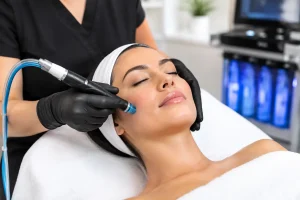
A meaningful RF microneedling review should go beyond before-and-after photos. The real question is whether the treatment can address your specific concerns – such as acne scarring, enlarged pores, laxity, or uneven texture – with results that still look like you. For many clients, it can be an excellent investment in firmer, smoother-looking skin. The right expectations, treatment plan, and provider matter just as much as the technology.
RF microneedling combines two proven concepts: tiny, controlled needle channels and radiofrequency energy delivered beneath the skin’s surface. That combination is designed to encourage collagen and elastin production while treating deeper layers more precisely than traditional microneedling alone. It is not a facial that creates a dramatic overnight change. It is a collagen-building treatment, which means the most refined results develop gradually.
RF Microneedling Review: What the Treatment Can Improve
RF microneedling is often chosen by clients who want visible skin renewal without surgery or a lengthy social downtime. Depending on the device, settings, treatment area, and skin condition, it may help improve the appearance of fine lines, crepey texture, acne scars, enlarged pores, mild skin laxity, and uneven texture.
The benefit is not simply that needles create micro-injuries. Radiofrequency energy adds controlled heat at selected depths, supporting a remodeling response in the dermis, where collagen is produced. This makes the treatment especially appealing for concerns that sit below the surface, including early loss of firmness around the cheeks, jawline, neck, or lower face.
That said, RF microneedling is not a replacement for a facelift, filler, or laser resurfacing in every situation. Deep, sharply defined scars may need a combination approach. Significant sagging may call for a different treatment plan. Brown spots and redness can respond better to treatments designed specifically for pigment or vascular concerns. A careful consultation helps separate what is possible from what is merely promised online.
Does RF Microneedling Actually Work?
For the right candidate, yes – but “works” should mean gradual, natural-looking improvement rather than instant perfection. Many people notice a fresh, smoother look after the initial swelling settles. The more meaningful changes tend to appear over the following weeks as collagen remodeling progresses.
Most clients benefit from a series of treatments, commonly spaced about four to six weeks apart. The exact number depends on the goal. Someone addressing mild texture and prevention may have a different plan than someone treating long-standing acne scars or visible laxity. Maintenance treatments may also be recommended because skin continues to age, lose collagen, and respond to lifestyle and environmental stressors.
The strongest results are often subtle in the best way: makeup sits more smoothly, pores look less obvious, scars appear softer, and skin has a firmer, more rested quality. Friends may say you look refreshed without being able to identify why.
Results depend on more than the machine
A respected RF microneedling device is valuable, but treatment quality also depends on the person performing it. Needle depth, energy level, pass pattern, skin preparation, and post-treatment instructions should be customized to your facial anatomy, skin type, and concerns.
More aggressive is not automatically better. Over-treating can create unnecessary irritation and increase risk, particularly for skin that is prone to post-inflammatory hyperpigmentation. A skilled provider balances effective settings with thoughtful skin safety and a plan that respects your healing capacity.
What Does RF Microneedling Feel Like?
Comfort is one of the first questions clients ask, and the honest answer is that sensations vary. A topical numbing cream is typically applied before treatment, which makes the procedure very manageable for many people. You may feel pressure, quick pinpricks, warmth, or a brief snapping sensation in more sensitive areas, such as the forehead, upper lip, or jawline.
Treatment usually takes less than an hour once numbing time is complete. The skin may feel warm afterward, similar to a moderate sunburn. Your provider should explain each step, check on your comfort, and adjust appropriately rather than rushing through a one-size-fits-all appointment.
At Brows by VJ, personalized care means discussing your goals and comfort level before treatment begins. That conversation matters, especially if this is your first advanced skin treatment or you have had a difficult healing experience in the past.
Recovery: What Your Skin May Look Like Afterward
Most people can return to regular activities quickly, but plan for redness and a slightly swollen or warm appearance for the first day or two. Some clients experience a sandpaper-like texture, pinpoint scabbing, mild dryness, or temporary tightness as the skin heals. These responses are generally part of the normal recovery process when they are mild and short-lived.
For the first 24 to 48 hours, keep skincare gentle. Avoid makeup until your provider advises it is appropriate, and skip exfoliants, retinoids, strong acids, and other active ingredients until the skin barrier has recovered. Heat-heavy workouts, saunas, swimming pools, and direct sun exposure should also be avoided during the immediate healing period.
Sun protection is non-negotiable after any collagen-induction treatment. Freshly treated skin is more vulnerable to irritation and pigment changes. A broad-spectrum sunscreen, protective habits, and consistent aftercare protect both your comfort and your results.
Potential Risks and Who Should Wait
RF microneedling is generally well tolerated when performed by a qualified professional, but it is still a medical-aesthetic treatment, not a casual add-on. Possible side effects include prolonged redness, swelling, bruising, breakouts, infection, changes in pigmentation, or scarring. These risks are uncommon but deserve a clear conversation before treatment.
You may need to postpone or avoid treatment if you are pregnant, have an active skin infection or cold sore outbreak, have certain implanted electronic devices, are taking medications that affect healing, or have a history of problematic scarring. Active inflammatory acne, eczema flares, rosacea flares, and recent sunburn also need to be evaluated carefully.
People with deeper skin tones can be candidates for RF microneedling, but proper assessment is particularly important. The right technique, conservative settings when appropriate, and diligent post-care can help reduce the likelihood of unwanted pigment changes. Your provider should never dismiss questions about skin tone, melasma, acne history, or previous reactions to treatments.
RF Microneedling Versus Traditional Microneedling
Traditional microneedling relies on mechanical channels to stimulate repair. RF microneedling adds heat energy beneath the surface, making it a stronger option for many clients focused on firmness, deeper scars, and texture. It may also allow treatment to be tailored at different depths across the face.
That does not make traditional microneedling inferior in every case. It can be a more approachable option for some goals, budgets, or skin-care plans. The better choice depends on what you are treating, how much downtime you can accept, and how aggressive a result you want to pursue.
Is RF Microneedling Worth the Investment?
It can be worth it if you want progressive, natural-looking improvement and are prepared to follow a treatment series and aftercare plan. It is less satisfying for anyone expecting a single appointment to erase deep scars, tighten substantial loose skin, or deliver the same result as surgery.
Before booking, ask what device will be used, how many sessions are realistically recommended, what the expected recovery looks like for your skin, and how your provider approaches pigment safety. Review real treatment results with similar concerns and skin characteristics whenever possible. The goal is not to chase a filtered finish. It is to choose a treatment plan that supports healthier-looking, more confident skin over time.
The best RF microneedling results rarely look obvious. They look like skin that has been cared for with intention – smoother in texture, stronger in appearance, and still completely your own.