Acne may be temporary, but the texture changes and lingering discoloration it can leave behind often feel far more persistent. The top options for acne scars are not one-size-fits-all treatments. The right approach depends on whether your skin has indented scars, raised scars, dark marks, redness, active breakouts, or a combination of several concerns.
A thoughtful treatment plan can improve the appearance of scarring without asking your skin to do too much, too quickly. The goal is not to chase perfectly filtered skin. It is to create healthier-looking texture, more even tone, and a complexion that feels easier to face with confidence.
First, Know What Kind of Mark You Have
Many people call every post-acne mark a scar, but the distinction matters. Flat brown, gray, or red spots may be post-inflammatory discoloration rather than permanent textural scarring. These marks can fade over time, although sun exposure and irritation can make them last longer.
True acne scars change the surface of the skin. Atrophic scars are indented and include broad, rolling depressions; boxcar scars with more defined edges; and narrow, deeper ice-pick scars. Raised scars, including keloids, sit above the skin’s surface and require a different medical approach.
During a professional skin consultation, your provider should look at scar type, skin tone, sensitivity, acne activity, lifestyle, and the amount of downtime you are comfortable with. This is especially important for deeper skin tones, which can be more prone to unwanted pigment changes when treatments are too aggressive or poorly timed.
Top Options for Acne Scars Based on Your Goals
RF Microneedling for Texture and Firmness
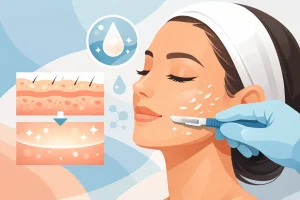
RF microneedling combines controlled microneedling with radiofrequency energy delivered beneath the skin’s surface. The microchannels trigger the skin’s natural repair response, while radiofrequency heat supports collagen remodeling at deeper levels. It is a strong option for people with rolling scars, mild-to-moderate boxcar scars, enlarged pores, and overall uneven texture.
Results build gradually because collagen remodeling takes time. Most clients need a series of treatments, typically spaced several weeks apart, rather than one appointment. You may have redness and a tight, warm feeling for a short period afterward, but downtime is generally manageable for clients with busy schedules.
Treatment depth, energy settings, and technique should never be copied from someone else’s plan. The most natural-looking improvement comes from tailoring the treatment to your scar pattern and your skin’s tolerance.
Morpheus8 for Deeper Textural Concerns
Morpheus8 is a more advanced form of RF microneedling often selected for deeper acne scarring, laxity, and texture concerns that extend beyond the surface. Its ability to treat at multiple depths can make it especially valuable when scars are accompanied by uneven skin quality along the cheeks, jawline, or lower face.
This treatment can be more intensive than standard microneedling, so expect a more intentional healing period. Redness, pinpoint marks, and temporary swelling are common. For the right candidate, that trade-off may be worthwhile because treatment can address both scar texture and the skin’s overall firmness.
It is not automatically the best choice for every scar. Very narrow ice-pick scars, for example, may need a targeted approach rather than repeated full-face energy treatments. A skilled provider will be honest about where Morpheus8 can make a visible difference and where another option may be more appropriate.
Chemical Peels for Discoloration and Surface Renewal
A professional chemical peel can help brighten post-acne marks, refine the look of pores, and improve superficial texture. Lighter peels are often used as part of a series, while deeper peels may offer more dramatic resurfacing with greater downtime and a higher need for careful aftercare.
Peels are particularly helpful when your main concern is uneven tone after acne rather than deep indentations. They can also complement collagen-stimulating treatments by keeping the skin’s surface smoother and more radiant between sessions.
The formula matters. A peel should be chosen for your skin tone, sensitivity, current skincare routine, and history of hyperpigmentation. Stronger is not always better. Over-exfoliating compromised skin can lead to irritation, breakouts, and darker marks.
IPL for Redness and Brown Spots
IPL, or intense pulsed light, is often useful for the red or brown marks left after blemishes have healed. It targets unwanted pigment and visible redness, helping the complexion look more even over a series of treatments. It does not fill in indented scars, but it can make textural scars less noticeable by reducing the contrast around them.
IPL is not appropriate for every skin tone or every pigment concern. A consultation and, when appropriate, a test spot help determine whether it is a safe fit. For some clients, other light-based technologies or non-light treatments are a better choice.
Microneedling for Mild Indentations and Overall Texture
Traditional microneedling can be a beautiful starting point for mild acne scarring, early texture changes, and dullness. By creating controlled micro-injuries, it encourages collagen production and helps support smoother-looking skin over time. It may also be selected when a client wants less intensity than radiofrequency-assisted treatment.
Like RF microneedling, results are cumulative. Consistency matters, and so does aftercare. Avoiding excess heat, friction, picking, and unapproved active ingredients while the skin heals helps protect the investment you are making in your complexion.
Targeted Medical Treatments for Deep or Raised Scars
Some scars need a more specialized solution. Deep ice-pick scars may respond best to focused procedures performed by a qualified medical professional, while tethered rolling scars can require release techniques beneath the skin. Raised scars may need injections, prescription treatment, or other physician-directed care.
This is not a failure of facial treatments. It is simply good treatment planning. A premium skin journey includes knowing when to combine services and when to refer out so that every step serves your skin, not a sales menu.
Why Combination Plans Often Create the Best Result
Acne scarring is rarely just one issue. You might have shallow indentations on the cheeks, redness around old blemishes, brown marks along the jawline, and active congestion in another area. Treating each concern with the same device or peel can create disappointing results.
A well-designed plan may use RF microneedling or Morpheus8 to support collagen and improve depressed scars, then add a peel or IPL session to improve tone. Hydrating, barrier-supportive facial treatments can also be valuable between corrective appointments when the skin needs calm, moisture, and gentle care.
The pace should be intentional. Skin remodeling takes months, not days, and stacking aggressive treatments too closely can compromise healing. Progress photos taken in consistent lighting can be more helpful than checking the mirror every morning, especially because collagen improvements arrive gradually.
What to Do Before and After Acne Scar Treatment
Start by getting active acne under control. Treating scars while new inflammatory breakouts continue can feel like trying to repaint a wall while it is still being scratched. A provider may recommend adjusting your home routine or coordinating with a dermatologist before beginning intensive scar correction.
Before treatment, disclose medications, including retinoids, blood thinners, and any recent use of isotretinoin. Share any history of cold sores, keloids, melasma, pigment changes, or sensitivity. These details affect whether a treatment is appropriate and how it should be performed.
Afterward, protect your skin from sun exposure every day. Wear sunscreen, avoid picking or scrubbing, and follow the aftercare instructions for your specific procedure. The most refined results come from the treatment itself and the care you give your skin while it rebuilds.
Choosing a Provider You Can Trust
For a concern as personal as acne scars, look beyond a treatment name. Ask how the provider identifies scar types, how they adjust treatment for your skin tone, what healing looks like, and whether they can show realistic examples of improvement. You should never feel pressured toward the most expensive service before your skin has been properly assessed.
At Brows by VJ, skin treatments are approached with the same detailed, face-specific care used in every beauty service. For clients in Sandy Springs and the greater Atlanta area, a consultation creates space to discuss your history, your comfort level, and the level of improvement that is realistic for your skin.
Your scars do not need to dictate how visible, polished, or confident you feel. Give your skin a plan that respects its history, supports its healing, and allows progress to happen beautifully over time.