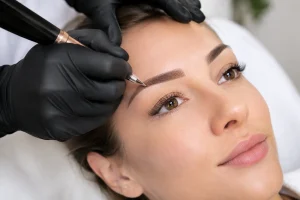
When brow hair disappears, the goal is rarely a dramatic new shape. Most clients want to recognize themselves again – with soft definition, balanced proportions, and brows that do not require daily penciling. The best brow services for alopecia depend on the type of hair loss, the condition of the skin, and whether hair loss is active or stable. A thoughtful consultation is not an extra step. It is the foundation of a safe, natural-looking result.
Alopecia can affect one small section of the brow or lead to complete hair loss. It can also change over time. That is why brow restoration should never be approached with a one-style-fits-all mindset. The most flattering option is the one that respects your facial structure, skin health, lifestyle, and comfort with maintenance.
Why Alopecia Changes the Brow-Service Conversation
Brows frame the eyes, but they also communicate expression. When they become sparse or disappear, clients often feel that their face looks less defined, even when the rest of their makeup is polished. At the same time, alopecia can make the brow area more sensitive, unpredictable, or prone to changes that affect pigment retention.
Before choosing a service, it helps to understand whether the hair loss is stable. Alopecia areata may involve patchy, recurring loss. Frontal fibrosing alopecia and other scarring conditions can alter the skin itself. Hair loss related to medical treatment, thyroid changes, stress, hormones, or skin conditions may also have a different timeline and outlook.
If there is active redness, scaling, tenderness, open skin, infection, unexplained irritation, or recent changes in hair loss, pause before booking a cosmetic tattoo procedure. A dermatologist or treating physician should guide the medical side first. Once the area is calm and cleared for treatment, a trained brow artist can help determine whether permanent makeup or a temporary option makes sense.
Best Brow Services for Alopecia: Your Main Options
For many people with stable alopecia, permanent makeup provides the most reliable everyday definition. The technique matters, but so does the artist’s ability to map the face and create a brow that looks believable without relying on existing hair for camouflage.
Ombré Powder Brows for Soft, Lasting Definition
Ombré powder brows are often an excellent choice for clients with little to no natural brow hair. This technique places tiny layers of pigment to create a soft, shaded effect – lighter at the front and gradually more defined through the arch and tail. Healed results can resemble a well-blended brow powder rather than a solid block of color.
Because powder brows do not depend on imitating individual hairs, they can look especially natural on bare skin. They also offer enough density to restore visual balance from a normal conversational distance. The shape can be tailored from subtle and airy to more polished, but a skilled artist will avoid making the brow too dark or too sharply outlined.
This option is often more predictable than hair-stroke techniques on oily skin, mature skin, or skin that has shown inconsistent pigment retention in the past. A touch-up is still part of the process, and periodic color refreshes are expected as pigment fades gradually.
NanoStrokes and Microfeathering for a Hair-Like Effect
NanoStrokes and Microfeathering are designed to mimic the look of fine, natural brow hairs. When performed with a machine and an appropriate pigment plan, NanoStrokes can create delicate, directional strokes that give a more textured result than shading alone. Microfeathering can add an intentionally soft, less uniform hair pattern.
These services may be a beautiful fit when some brow hair remains or when the client strongly prefers a hair-like finish. However, they require an honest assessment of the skin. On completely hairless skin, simulated strokes can look more visible than expected over time, particularly if the lines blur during healing or fade unevenly. In some cases, a combination of subtle strokes and soft shading delivers a more convincing result than strokes alone.
Microblading is another hair-stroke option, created manually with a blade rather than a machine. It can be appropriate for select clients, but it is not automatically the best solution for alopecia. Skin type, scar tissue, sensitivity, and long-term pigment behavior should all influence that decision. An artist who recommends the same technique for every client is not designing for your individual needs.
Combination Brows When You Want Texture and Stability
Combination brows blend hair-like strokes with powder shading. The strokes create movement near the front or throughout the brow, while the shaded base adds the visual fullness that alopecia clients often need. This can be a strong middle ground for someone who wants softness without sacrificing definition.
The trade-off is that combination brows are more detailed to plan. Too many strokes can look busy on bare skin; too much shading can overpower delicate features. Facial mapping, pigment selection, and restraint are what make this technique feel refined.
Temporary Brow Solutions While Hair Loss Is Changing
If alopecia is active, temporary options may be the wiser choice. Brow pencils, tinted gels, powders, and brow stamps can provide flexibility while you monitor changes with your physician. A professional brow consultation can still be valuable during this stage, because learning the right placement and proportions may make daily application feel much easier.
Temporary solutions are also helpful for anyone who wants to test-drive a fuller brow shape before committing to permanent makeup. The best shape is not necessarily the trendiest one. It is the shape that works with your bone structure, eye placement, and natural expression.
What a Safe Alopecia Brow Consultation Should Include
A premium brow appointment begins well before pigment touches the skin. Your artist should ask about your alopecia history, current medications, allergies, previous permanent makeup, skincare routine, and any medical guidance you have received. Be open about treatments such as retinoids, chemical peels, laser services, or medications that may affect healing.
The consultation should also include detailed facial mapping. This is where artistry becomes practical: the brow start, arch, tail, thickness, and overall symmetry are planned around your features rather than copied from a template. Perfectly identical brows are not the goal. Balanced brows that complement your face are.
Color selection deserves the same care. For alopecia clients, pigment should be chosen for the intended healed result, not just how it looks immediately after the procedure. Fresh pigment appears stronger at first, then softens as the skin heals. A conservative first session gives the artist room to build definition at the perfecting appointment instead of trying to correct an overly dark result.
Healing, Touch-Ups, and Realistic Expectations
Permanent makeup is a process, not a single appointment with a final result on day one. The brow area may appear darker, warmer, or more defined immediately after treatment. As healing progresses, the color can seem to fade significantly before settling. This is normal, and the follow-up session is where retention and shape are evaluated.
Alopecia can make pigment retention less predictable, especially if the skin has been affected by inflammation, scarring, or ongoing autoimmune activity. Even with excellent technique, some clients need additional adjustments or more frequent refreshes. That does not mean the service failed. It means the treatment plan needs to respect how your skin responds.
Follow aftercare instructions closely. Avoid picking, excessive sweating, swimming, sun exposure, and active skincare products around the brows during the healing window provided by your artist. Protecting the area supports cleaner healing and better color retention.
Choosing an Artist You Can Trust
Look beyond a gallery of freshly completed brows. Ask to see healed results on a range of skin types and, if possible, clients with sparse or absent brow hair. Fresh work can look impressive; healed work shows technical skill, color judgment, and long-term restraint.
You should also feel comfortable asking about sanitation, licensing, pigment quality, the artist’s experience with hair loss concerns, and what happens if your skin retains color unevenly. A reputable provider welcomes these questions. They will not promise identical results for every client or pressure you toward a technique that does not suit your skin.
At Brows by VJ, the focus is on a detailed consultation, face-specific mapping, and a result that feels polished without looking overdone. For clients in Sandy Springs and the greater Atlanta area, that personal approach can make the decision feel far less intimidating.
The right brow service can restore more than visible definition. It can give you a calmer morning routine and a familiar reflection again. Start with an informed consultation, give your skin the care it deserves, and choose a result that feels like you – only more supported.