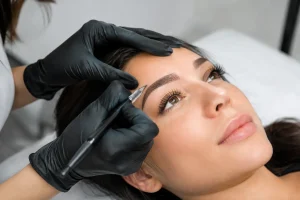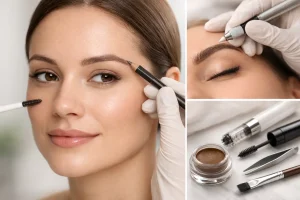
A brow can be technically symmetrical on paper and still feel wrong on the face. That is why an advanced brow mapping guide starts with observation, not a stencil. The goal is not to force both brows into identical shapes. It is to create a balanced, natural-looking frame that works with your bone structure, muscle movement, hair pattern, and personal style.
For permanent makeup and refined brow shaping, mapping is the design stage that protects the final result. It helps determine where the brow should begin, where the arch should lift, how long the tail should extend, and how much definition your features can comfortably carry. When those decisions are personalized, brows look polished without looking drawn on.
What Advanced Brow Mapping Really Means
Basic brow mapping often focuses on three reference points: the front of the brow, the arch, and the tail. Those points matter, but advanced mapping goes further. It evaluates the entire face in motion and at rest, then uses those observations to build a brow shape that feels believable from every angle.
An experienced artist considers facial width, eye placement, forehead space, brow bone prominence, temple area, and the natural direction of existing hair. They also look closely at the relationship between the eyes and brows. A brow placed too high can make the face look surprised or disconnected. A brow placed too low can make the eye area feel heavy, even when the brow itself is beautifully shaped.
This approach is especially valuable for clients with sparse brows, previous permanent makeup, noticeable asymmetry, mature skin, or hair loss from over-tweezing. It is also essential for men’s brow services, where the design needs to restore structure while maintaining a subtle, masculine appearance.
Start With the Face, Not the Trend
A lifted, highly arched brow may be popular, but it is not automatically flattering. The same is true of straight Korean-inspired brows, bold powder effects, or very extended tails. Trend-driven shapes can be fun with makeup, yet permanent brow design should be grounded in what will continue to complement your features over time.
Your natural anatomy provides the starting point. The brow bone suggests where the brow can sit comfortably. The orbital area around the eye affects how much lift is appropriate. Your natural brow hairs reveal the direction and density that will make added pigment look most convincing.
Face shape can guide the design, but it should never become a rigid rule. A longer face may benefit from a softer, more horizontal brow line, while a rounder face can often support a little more structure. Still, no two oval, round, heart-shaped, or square faces are alike. Eye shape, lid space, and natural brow placement can matter more than a face-shape label.
The Three Key Points Need Context
The beginning of the brow is commonly mapped in alignment with the side of the nose. The arch is often identified by using the outer edge of the iris or a point that complements the natural brow bone. The tail is designed to create balance with the outer eye and temple.
But these are reference points, not fixed commands. If a client’s natural front begins slightly farther in or out, shifting it too aggressively can create an artificial center brow area. If a tail naturally lifts, forcing it downward may make the expression appear tired. Advanced mapping uses measurements as a framework, then refines them through artistry.
Symmetry Is a Goal, Not a Promise
Nearly every face has some degree of asymmetry. One eye may sit slightly higher, one brow bone may be more prominent, or one side of the forehead may be more active. These differences are normal, and they often become more visible when someone raises their brows, smiles, or speaks.
A strong brow design does not chase perfect mirror-image brows at the expense of expression. Instead, it aims for visual harmony. That may mean allowing a small difference in arch height or tail placement so the brows appear even when the face is relaxed.
During mapping, it helps to sit upright and look straight ahead rather than rely only on a reclined position. Your artist should assess your brows while you are still, then ask you to make natural expressions. This reveals whether forehead muscles pull one brow higher or whether one side changes shape more dramatically. Mapping only a resting face can lead to surprises once you return to everyday movement.
Hair Pattern Determines How Natural the Result Can Look
Natural brow hair is not uniform. The fronts tend to grow upward, the body of the brow often moves diagonally, and the tail usually angles outward and slightly downward. Mapping should respect that flow, particularly with NanoStrokes, Microfeathering, and other hair-stroke techniques.
If the planned shape ignores existing hair, the result can look disconnected. For example, extending a brow far beyond its natural tail may be possible, but the artist needs to consider whether that area has enough visual support from surrounding hair and skin tone. In some cases, a softly shaded ombré powder brow creates a more natural effect than trying to imitate hair where none exists.
Density is part of the map, too. A client with full natural brows may need only subtle gaps filled and edges refined. Someone with very little hair may need a more complete design, but even then, the front should usually remain soft. The amount of pigment and definition should match the client’s features, skin type, and comfort level with makeup.
Choose the Brow Technique After the Design Is Clear
Mapping comes before technique selection. It is tempting to arrive knowing you want Microblading or powder brows, but the best method depends on what your skin and natural brows can support.
NanoStrokes or Microfeathering can create delicate, hair-like detail for clients who want a soft enhancement and have suitable skin. Ombré powder brows can provide a polished, makeup-ready effect with a diffused front and more definition through the arch and tail. Combination brows can blend hair strokes with shading for extra dimension. For oily skin, mature skin, or clients seeking reliable fullness, a powder-based approach may often be the more predictable choice.
The right design is not the boldest one. It is the one that will heal beautifully, suit your routine, and remain flattering when you are wearing no other makeup.
The Pre-Draw Is Where You Should Speak Up
Before any permanent work begins, the mapped outline should be reviewed carefully. This is your opportunity to discuss thickness, arch height, tail length, color softness, and overall style. A thoughtful consultation should never make you feel rushed into a shape that does not feel like you.
Ask to see the design from a normal viewing distance as well as up close. Look at it with your eyes open and your face relaxed. If you usually wear glasses, bringing them can be helpful because frames change how brow width and arch placement read. Let your artist know whether you prefer a barely-there finish, a defined everyday brow, or a more sculpted makeup look.
Photos can be useful for communicating preferences, but they should be treated as inspiration rather than a blueprint. Your favorite celebrity brow may sit on a completely different brow bone, eye shape, and facial proportion. The best reference is the version that is adapted to you.
Mapping for Healing, Not Just Appointment Day
Fresh permanent makeup often appears darker, sharper, and more prominent than the healed result. A good design accounts for that transition. Brows need enough structure to remain visible after healing, yet not so much saturation or thickness that they feel heavy once the color settles.
Skin type, previous pigment, medications, sun exposure, and aftercare all influence how color retains. This is another reason advanced mapping and consultation matter. The artist is not merely drawing a shape. They are planning for how that shape and color will live in your skin.
Touch-up appointments are often part of the refinement process. They allow the artist to assess retention and make measured adjustments rather than overcorrecting at the first session. Patience tends to produce softer, more controlled results.
A Personalized Brow Plan Creates Lasting Confidence
The most beautiful brows do not announce the mapping behind them. They simply make the eyes look more open, the face more balanced, and the morning routine a little easier. Whether you want soft hair strokes, a defined powder finish, or subtle restoration after years of sparse brows, personalized design is what separates a good result from a truly natural one.
At Brows by VJ, the conversation around your brow goals matters just as much as the measurements. Bring your preferences, your questions, and your honest level of comfort with daily makeup. The right brow shape should feel like a refined version of your own features, not someone else’s face placed on yours.