A treatment can be excellent and still be the wrong choice for your particular concern. That is the real question behind IPL vs microneedling: are you trying to fade visible discoloration, or are you trying to rebuild smoother, firmer-looking skin from within? Both treatments can create a fresher, more even-looking complexion, but they work in very different ways.
The best plan starts with a close look at your skin tone, current sensitivity, history of pigmentation, lifestyle, and the result you want to see in the mirror. A thoughtful consultation matters because treating redness is not the same as treating acne scars, and improving texture is not the same as clearing sun spots.
IPL vs Microneedling: The Core Difference
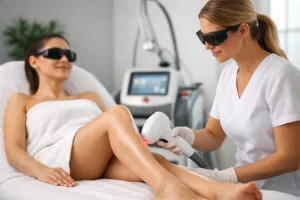
IPL, short for intense pulsed light, uses controlled flashes of broad-spectrum light to target pigment and visible blood vessels in the skin. The light is absorbed by darker pigment or redness, helping the body gradually clear it away. IPL is often chosen for sun damage, brown spots, freckles, diffuse redness, and certain visible vessels.
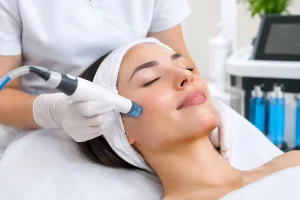
Microneedling uses a device with very fine, sterile needles to create controlled microchannels in the skin. Those channels trigger the skin’s natural repair response, encouraging collagen and elastin production over time. It is especially valued for improving texture, enlarged pores, fine lines, acne scarring, and overall skin resilience.
Put simply, IPL is usually more direct for color concerns. Microneedling is usually more direct for texture and collagen concerns. Many clients have both, which is why a customized treatment plan may include each treatment at different times rather than forcing one procedure to do everything.
When IPL May Be the Better Choice
IPL can be a beautiful option when skin looks uneven because of visible pigment or redness. It does not erase every mark in one appointment, but a series can make the complexion look clearer and more balanced with gradual improvement.
Concerns IPL Treats Well
IPL is often recommended for sun spots, freckles, blotchy pigmentation, facial redness, and the lingering red or brown marks that can remain after breakouts. It may also help soften the appearance of small broken capillaries, particularly around the cheeks and nose.
After treatment, pigmented spots can temporarily look darker before they flake or fade. This is a normal part of the process for many clients and can feel encouraging when you know what to expect. Mild redness and a warm sensation are also common immediately afterward, much like a light sunburn.
IPL is not automatically appropriate for every skin tone. Because the treatment relies on light being attracted to pigment, deeper skin tones and anyone prone to post-inflammatory hyperpigmentation require especially careful assessment. The device, settings, provider experience, and your skin’s history all matter. A professional should never treat skin based on a one-size-fits-all protocol.
When Microneedling May Be the Better Choice
If your main concern is skin texture, microneedling may be a stronger fit. It does not use light to target brown spots or vessels. Instead, it supports collagen remodeling, which can gradually improve the look and feel of the skin.
Concerns Microneedling Treats Well
Microneedling is frequently selected for shallow acne scars, rough texture, visible pores, fine lines, and early laxity. It can also be a smart option for clients who want overall rejuvenation without changing the character of their face or relying on aggressive resurfacing.
Immediately after a session, skin often looks pink to red and may feel warm or tight. The intensity and length of redness vary based on treatment depth and individual sensitivity, but many clients are comfortable returning to normal activities within one to three days. Makeup and active skincare ingredients should wait until the skin has had appropriate time to recover.
Results are more gradual than instant because collagen takes time to build. Many clients notice an initial glow as the skin recovers, then see more meaningful texture changes over several weeks. A series of treatments, usually spaced about four to six weeks apart, is often recommended for concerns such as acne scarring.
Which Treatment Has More Downtime?
Neither treatment typically requires the extended recovery associated with deeper resurfacing procedures, but both need respectful aftercare. With IPL, the visible darkening of pigment can last for several days, and redness may be noticeable right after treatment. With microneedling, temporary redness and mild swelling are more common, especially at deeper settings.
Sun protection is essential after either service. Freshly treated skin is more vulnerable to irritation and unwanted pigmentation, so daily broad-spectrum sunscreen, hats, and avoiding direct sun exposure are part of protecting your investment. Avoid picking, scrubbing, exfoliating acids, retinoids, and heat exposure until your provider says your skin is ready.
If you have an event on the calendar, give yourself time. Plan IPL at least one to two weeks before an important occasion if you are treating visible pigment. For microneedling, allow several days for redness to settle, with more time if you tend to stay pink longer or are receiving a more intensive treatment.
Can You Combine IPL and Microneedling?
For the right client, yes, but not casually and not necessarily on the same day. Combining IPL and microneedling within a larger treatment plan can address both uneven tone and uneven texture. For example, IPL may be used to target sun spots and redness, while microneedling supports smoother pores and acne-scar texture over a series of sessions.
Timing should be based on how your skin responds, the treatment settings used, and your specific goals. Skin needs recovery time to do its best work. An experienced provider will create spacing that supports healing rather than overwhelming the skin with too much stimulation.
At Brows by VJ, the goal is not to sell a treatment name. It is to recommend the approach that best supports natural-looking, healthy-looking results while keeping comfort and skin safety at the center of the experience.
Important Factors Before You Book
A good candidate assessment goes beyond whether you have spots or scars. Your provider should ask about active acne, cold sores, melasma, recent tanning, prescription skincare, isotretinoin use, pregnancy or nursing status, and any history of keloid scarring or dark marks after irritation.
Active inflammatory acne may need to be calmed before microneedling. Melasma requires a particularly careful approach because heat and inflammation can sometimes worsen it. Recent sun exposure can make IPL less appropriate or require the appointment to be postponed. These are not minor details – they help determine whether treatment is safe and likely to deliver a result you will love.
Be honest about what you use at home, including retinol, exfoliating acids, benzoyl peroxide, and supplements. Your provider can tell you what to pause before and after treatment and when to restart your regular routine.
The Best Choice Is Based on Your Skin Goal
Choose IPL when unwanted color is the main concern: brown spots, freckles, redness, or an uneven-looking complexion caused by sun exposure. Choose microneedling when you want to improve the skin’s structure: texture, pores, fine lines, or acne scars.
If you see both discoloration and texture in the mirror, you may not need to choose permanently between IPL and microneedling. You may simply need a well-paced plan designed around your skin, schedule, and comfort level. The right treatment should leave you looking refreshed and more confident – never overtreated or unlike yourself.