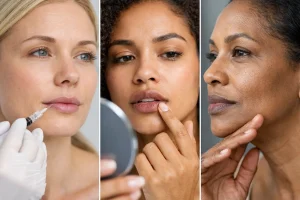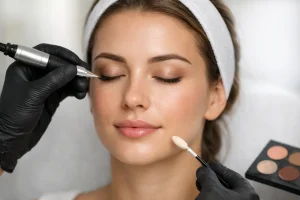
A lip color that reads gray, purple, blue-toned, or uneven can make even a favorite gloss look different than it does in the tube. That is why lip blush color correction results are about more than adding a pretty shade. The goal is to carefully shift the undertone of the lips toward warmth and balance, then build a soft, wearable color that still looks like you.
For clients with naturally cool or darker lip tones, the most beautiful result is rarely an opaque lipstick effect. It is a fresh, even-looking lip color with healthier warmth, improved definition, and a finish that complements the face without competing with it.
What lip blush color correction actually changes
Lip color correction, sometimes called lip neutralization, is a form of cosmetic tattooing designed for lips with cool, dark, or uneven pigmentation. During the service, the artist uses a strategically selected warm pigment – often in peach, coral, orange, or warm red families – to counteract blue, violet, or gray undertones.
This is not a one-color-fits-all treatment. A soft lavender cast may need a different approach than lips with deeper brown borders, a blue-toned center, or pigmentation caused by melanin variation. Your skin tone, natural lip tone, desired finish, and prior cosmetic tattoo history all influence the plan.
The corrected color may look brighter or warmer immediately after the appointment. That is intentional. Fresh pigment sits visibly on the skin before it settles, and the lips will soften considerably as they heal. The long-term goal is a balanced base that allows the final healed shade to appear natural rather than overly warm.
The results timeline: fresh lips versus healed lips
One of the biggest sources of anxiety around lip blush is judging the outcome too soon. Lip blush color correction is a process, and each phase tells a different part of the story.
Immediately after the appointment
Lips often appear more saturated, warm, and defined on the day of treatment. Mild swelling is common, particularly during the first 24 to 48 hours. A peachy or coral corrective pigment can seem surprisingly vivid at first, especially when the starting lip tone was cool.
This fresh appearance is not your final result. It is simply the visible starting point of the healing process. A skilled artist plans for the color to calm down, not stay at its day-one intensity.
During the first week
As the lips heal, they may feel dry and lightly flaky. The color can temporarily appear darker before shedding, then lighter or even patchy as the skin regenerates. This is normal, and it does not mean the pigment has disappeared.
Avoid picking at flakes, using exfoliating products on the area, or testing new lip products during this stage. Let the lips heal according to the aftercare instructions provided by your artist. Gentle care protects the work and helps pigment retention.
Around four to six weeks
This is when the true direction of the correction becomes clearer. The pigment gradually reappears after the initial healing period and settles into the lip tissue. Coolness may be noticeably reduced, borders may look more even, and the overall color should begin to read softer and more harmonious.
At this point, some clients see a beautiful, complete improvement after one session. Others need a second session to build warmth, address areas that retained less pigment, or continue correcting deeper, more resistant undertones. Neither outcome means the first appointment was unsuccessful. It reflects the reality that every set of lips heals differently.
What makes color correction results look natural
Natural-looking results begin long before the pigment is placed. A detailed consultation should include an assessment of your bare lips in natural light, your undertone, the distribution of existing darkness, and the kind of color you wear comfortably day to day.
Facial balance matters, too. The right healed lip color should coordinate with your complexion, brows, and personal style. Someone who wants a polished, low-makeup look may prefer a subtle rosy nude after neutralization. Someone who wears warm glosses every day may want a little more coral or berry presence once the cool cast has been corrected.
Technique also matters. Even pigment placement, controlled saturation, and thoughtful layering help prevent a flat or heavy effect. The best color correction results retain dimension. Your lips should still look like lips, just more even, refreshed, and confidently defined.
Why one session is not always enough
Color correction is often more nuanced than traditional lip blush because the artist is working with an existing undertone before creating a target shade. If the lips have substantial blue, purple, or gray coloration, a single pass may neutralize part of that coolness without completely changing it.
A second session is common when the desired result requires more warmth or greater consistency across the lips. Think of it as refining a custom color rather than repeating the same service. At the touch-up, your artist can see how your lips retained pigment and adjust the formula accordingly.
Trying to force a light pink or nude color onto a deeply cool base in one appointment can create disappointing results. The better approach is patient and strategic: neutralize first, assess the healed outcome, and add the final color gradually. This protects the softness and realism clients want from permanent makeup.
Factors that affect healed color and retention
No permanent makeup result can be guaranteed exactly, because skin biology plays a meaningful role. Hydration, immune response, natural skin turnover, sun exposure, smoking, certain medications, and aftercare can all influence how the pigment heals.
Previous lip tattooing deserves special attention. Old pigment, scar tissue, or migrated borders can alter how new color takes. Clients who have had prior work should share clear photos before booking so the artist can determine whether correction is appropriate or whether removal or another plan may be needed first.
Cold sores are another important consideration. Lip tattooing can trigger an outbreak in clients with a history of them. If this applies to you, speak with your medical provider about preventive medication before your appointment. Your artist should also review candidacy carefully if you are pregnant or nursing, prone to keloid scarring, using certain medications, or managing a medical condition that affects healing.
How to set the right expectations before your appointment
Bring reference photos, but use them as a conversation starter rather than a promise of an identical outcome. A color that looks soft pink on one person may heal differently on lips with more natural melanin or a cooler base. Your artist should explain what is realistic for your starting point and recommend a pigment path that honors it.
It also helps to be specific about what bothers you. Is the concern a darker outer border, a lack of definition, a purple cast, uneven tone, or lips that disappear without makeup? Those details allow for a more precise design and color strategy.
At Brows by VJ, the focus is on customized artistry rather than chasing a generic shade chart. That means discussing the result you want, examining the color you have, and creating a plan that prioritizes healed beauty over a dramatic first-day photo.
Caring for your result after healing
Once your lips are fully healed, daily lip SPF and regular hydration help preserve the clarity of the color. Sun exposure can contribute to fading, while dry lips can make any pigment look less smooth and even. Use a lip product with sun protection when you will be outdoors, and keep your lips conditioned with products that work well for your skin.
Over time, lip blush fades softly. Most clients enjoy long-lasting enhancement, but a color refresh may be appropriate as the pigment lightens or as personal preferences change. The timing varies widely, so it is better to schedule a refresh based on how your lips look rather than a rigid calendar date.
Beautiful lip blush color correction is not about erasing your natural lip tone. It is about bringing it into balance so your face looks rested, your makeup applies more easily, and your reflection feels a little more like the polished version of you. A thoughtful consultation is the right first step when you are ready to see what your own lips can become with the right color plan.