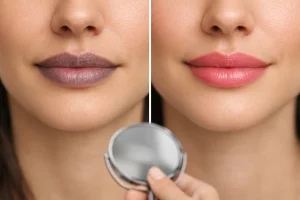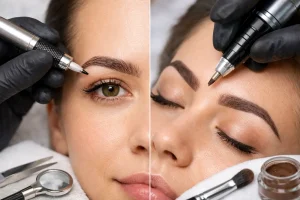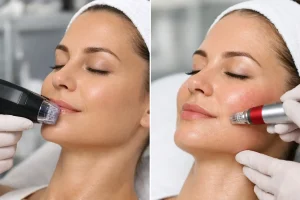
Some lips do not need more color – they need a more balanced starting point. Knowing who needs lip neutralization treatment can prevent disappointment and help you choose a lip blush plan that supports a naturally polished result rather than trying to cover uneven pigment with one shade.
Lip neutralization is a specialized form of permanent makeup color correction. It is designed for lips with cool, dark, purple, blue, gray, or uneven undertones that may not heal true to color with a standard lip blush service. The goal is not to erase your natural lip tone or make your lips look artificially pink. It is to carefully shift the undertone toward warmth and balance so the final healed color looks soft, even, and flattering.
What Lip Neutralization Actually Treats
Natural lip pigmentation varies widely, especially across different skin tones and ethnicities. Some clients have lips that appear two-toned, with a darker outline, deeper corners, or a cool cast through the center of the lips. Others notice that their lips look grayish, purplish, or brown compared with the warm nude or rosy shades they would like to wear.
A traditional lip blush shade placed directly over cool or dark pigment can heal unexpectedly. For example, a soft pink may heal muted, purple, or ashy when the underlying pigment has not been corrected first. Neutralization uses carefully selected warm modifiers, often in orange, coral, or warm-toned families, to counterbalance those cool undertones over a series of thoughtfully planned sessions.
This is artistry, not a one-color-fits-all procedure. Your technician considers your natural lip pigment, skin tone, desired result, lip health, and how your skin is likely to heal. The most beautiful outcome usually looks like your lips on their best day: more even, healthier in appearance, and easier to enhance with or without gloss.
Who Needs Lip Neutralization Treatment?
You may be a candidate for lip neutralization if your lips have noticeable cool or dark pigmentation and you want a more uniform base before adding a target lip blush color. It is particularly helpful for clients whose lips have a blue, purple, gray, or deep brown cast, as well as clients with significant contrast between the inner and outer areas of the lips.
You may also benefit if one lip is visibly darker than the other, your lip border is much deeper than the center, or previous lip color procedures healed too cool. Some clients seek neutralization after years of feeling that nude lipsticks turn gray, mauve shades look purple, or lighter colors do not show evenly on their lips.
Lip neutralization may be worth discussing if you want a natural-looking lip blush but know that your starting pigment is deeper or cooler. It creates a better foundation for warm nude, peach, rosy, or softly pink healed results. The word “foundation” matters here: the initial appointment often focuses on correction, while the final desired shade comes later.
Clients With Darker Lip Borders or Two-Toned Lips
A darker lip line can be beautiful and completely natural, but it can make lipstick and gloss appear uneven. If the outline of the lips is considerably deeper than the center, a neutralization plan can soften that contrast over time. The approach must be conservative and customized. Trying to force a light color over a dark border in one session can create patchiness or an unnatural-looking edge.
Clients With Cool Undertones
Cool-toned lips may look blue, violet, slate, or gray in certain lighting. This does not mean anything is wrong with your lips. It simply means color theory is especially important. Warm corrective pigment can help bring visual warmth back into the lip tone so a later blush shade heals more predictably.
Clients Seeking Subtle, Not Opaque, Results
This treatment is ideal for someone who wants refinement rather than the look of full-coverage lipstick. Lip neutralization does not create the flat, opaque appearance of cosmetic lipstick. It is intended to improve the way your natural lips read at rest, giving you a more balanced canvas for bare lips, balm, gloss, or light makeup.
When Standard Lip Blush May Be Enough
Not every client with naturally pigmented lips needs neutralization. If your lips are already relatively even, warm, and close in tone from border to center, standard lip blush may be the more direct route. A consultation and close assessment of bare lips is the best way to determine this.
Some clients only have mild unevenness. In those cases, the artist may incorporate slight color correction into a lip blush plan instead of separating the services into distinct phases. Others may have naturally deep lips that are still warm and even, meaning they can pursue a richer enhancement without a dedicated neutralization session.
The difference comes down to undertone, contrast, and your expectations. A skilled artist should explain what is realistically achievable from your starting point and recommend the approach that protects the quality of your healed result.
What Results Can You Expect?
Lip neutralization is gradual by design. The first session may look warmer or brighter than the final result because the pigment is working to balance coolness beneath the skin. As healing progresses, the color softens. Additional sessions may be needed to continue correcting the undertone and, once the lips are ready, to layer in your preferred blush color.
Most clients should expect a multi-session journey rather than a one-appointment transformation. The exact number of sessions depends on the depth of natural pigmentation, how evenly pigment is distributed, your skin’s retention, and the final shade you want. Deeper or more uneven tones generally require more patience than lips with mild coolness.
It also helps to separate “lighter” from “brighter.” Permanent makeup cannot safely transform naturally dark lips into a pale nude in one step. What it can do is help lips appear warmer, more even, and more harmonious with your complexion. That result often makes a meaningful difference in how confident clients feel without daily lip products.
Healing and Preparation Matter
Immediately after treatment, lips can look stronger in color and slightly swollen. This is temporary. As the lips heal, the pigment will soften, and there may be a period when the color appears lighter before it settles. Following your aftercare instructions closely supports clean, even healing.
Keep lips moisturized only as directed, avoid picking or exfoliating healing skin, and protect the area from unnecessary irritation. A cold sore history deserves special attention. Lip tattooing can trigger an outbreak in susceptible clients, so clients with a history of cold sores should speak with their medical provider in advance about appropriate antiviral guidance.
It is also wise to postpone treatment if you have active irritation, cracked or severely dry lips, an active cold sore, open skin, or another condition that could interfere with healing. Pregnancy, breastfeeding, certain medications, recent injectables, and medical conditions can affect candidacy as well. An honest consultation is part of premium care, not a hurdle to work around.
Why Your Artist’s Color Knowledge Is Essential
Lip neutralization is one of the most technical permanent makeup services because it asks the artist to predict how pigment, undertone, and healing will interact. Choosing a color based only on what looks pretty in the pigment cup is not enough. The pigment must be selected for your lips, your skin, and the correction needed beneath the final color.
At Brows by VJ, this process begins with an individualized assessment, not a preset shade menu. Your lip shape, natural pigment pattern, and desired level of enhancement all matter. The aim is a result that complements your face and feels like an elevated version of you.
Bring photos that show the general mood you love, whether that is a warm nude, soft rose, or healthy peachy tint. Then stay open to professional guidance about the steps required to get there safely. The color you want may be the destination, but thoughtful neutralization can be the reason it heals beautifully.
Your lips do not need to fit a certain standard to deserve attention. If uneven or cool pigmentation keeps you from feeling comfortable in your natural lip color, a personalized consultation can give you clear answers and a realistic plan. The best next step is always one that respects your natural features, your healing process, and the result you want to enjoy long after the appointment.