A disappointing brow result can change the way you feel every time you look in the mirror. A microblading correction before after example can be helpful because it shows more than a visible change in color or shape. It reveals what thoughtful facial mapping, pigment knowledge, and realistic planning can do when previous work no longer suits your features.
Correction is not about covering old brows with a darker, heavier version. The goal is to create balance, softness, and a brow shape that feels like it belongs on your face. For some clients, that means carefully neutralizing unwanted color. For others, it means adjusting an uneven arch, restoring a faded tail, or determining that lightening is the safest first step.
What a Microblading Correction Before and After Example Can Show
The best before-and-after transformations are not always the most dramatic. Often, the most beautiful correction is one that makes the brows look quieter, more even, and more natural. A successful after result should work with your bone structure, skin tone, hair color, and everyday style rather than competing with them.
In a typical correction, the before photo may show strokes that have turned cool gray, warm orange, or reddish over time. It may show brows positioned too closely together, arches that sit differently, or tails that are darker than the front. The after photo may show improved symmetry, a softened color tone, and a more intentional shape. That outcome comes from strategy, not simply placing new pigment over old pigment.
Photos are valuable, but they are only one part of the story. Ask when the after photo was taken. Fresh permanent makeup often appears darker, sharper, and warmer than it will once healed. A healed result, usually assessed several weeks later, gives a much more accurate view of retention, softness, and true color.
What Can Be Corrected – and What May Need More Time
Many previous brow results can be improved, especially when the existing pigment is faded, soft, and within a workable shape. Color correction may help counter unwanted undertones before new brow work is added. A brow artist can also create the appearance of better balance by refining the fronts, arches, or tails when enough clear skin remains around the old work.
Still, correction has limits. If brows are extremely saturated, very dark, significantly asymmetrical, or shaped far outside your natural brow area, adding more pigment may not be the right first move. Covering dense old ink can make the brows look heavier and can reduce the artist’s ability to create fine, airy detail.
In those cases, saline removal, laser removal, or a period of fading may be recommended before proceeding. This can feel frustrating when you want an immediate fix, but it protects the quality of your long-term result. A careful provider will explain when correction is appropriate and when patience will create a more beautiful canvas.
The Consultation Is Where the Correction Begins
A correction appointment should begin well before pigment is selected. Your artist needs to see the current brows in person, assess your skin, and understand the history of the work. Bring clear photos of your brows before the original service if you have them, along with any information you know about previous pigment, technique, and dates.
During a detailed consultation, the artist evaluates how much pigment remains in the skin, where it sits, and whether the old shape can be incorporated safely. Skin type matters too. Oily skin, mature skin, scar tissue, sun exposure, skincare ingredients, and past procedures can all affect the plan and the way pigment heals.
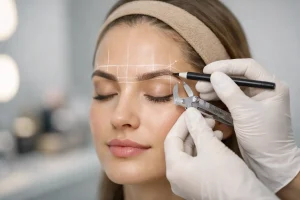
Facial mapping is especially important in a correction. Natural faces are not perfectly symmetrical, and brows should not be stamped into identical shapes. Instead, the design should bring visual balance while respecting your facial movement, brow hair pattern, and natural proportions. You should have time to review the proposed shape before the procedure begins.
Choosing the Right Technique for Previous Brow Work
Microblading is not automatically the best choice for every correction. Crisp hair strokes can look beautiful on clear skin with minimal old pigment, but they may blend poorly into saturated or blurred previous work. When old pigment is present, a softer technique may often create a more convincing result.
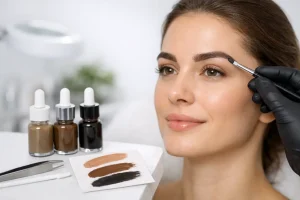
NanoStrokes can offer refined, hair-like detail in appropriate candidates, while Microfeathering may create a soft, textured effect. Ombré Powder Brows can be an excellent option for clients who need gentle color correction, more overall coverage, or a polished makeup effect that heals naturally. The right technique depends on what is already in the skin and what your skin can realistically retain.
For example, a client with faded reddish brows may first need a targeted neutralizing shade, followed by soft shading that restores a balanced brunette tone. A client with uneven, sparse strokes may benefit from a design that adds fullness where it is needed without tracing every old mark. The result should look intentional from a normal conversation distance, not overly detailed only in a close-up photo.
Why Fresh Brows Do Not Tell the Whole Story
A fresh correction can look more dramatic than the final result. Slight swelling, deeper color, and temporary warmth are expected in the first days. As the brows heal, the pigment may appear to soften, lighten, and briefly look patchy before settling into the skin.
Healing varies by person, but clients are generally asked to keep the area clean, avoid picking or scratching, and follow all aftercare instructions closely. Sweating, swimming, sun exposure, exfoliating products, and certain active skincare ingredients may interfere with healing when used too soon. Your provider should give you clear, personalized aftercare guidance based on the service performed.
A perfect result after one session is not always realistic, particularly with corrective work. A touch-up appointment is often part of the process, allowing the artist to assess healed retention and make measured adjustments. This is not a sign that something went wrong. It is a normal part of creating refined permanent makeup on skin that has already received pigment.
Questions to Ask Before Booking a Brow Correction
Before you commit, ask to see healed correction work, not just freshly completed brows. Look for examples that resemble your own concern, whether that is gray pigment, old hair strokes, uneven shape, or oversaturated color. You want to see that the artist understands the specific challenge you are bringing in.
Also ask whether your brows are suitable for correction now, whether removal or fading may be recommended, and which technique is being considered. A strong consultation should include an honest conversation about shape limitations, likely healing changes, the number of appointments that may be needed, and what result is achievable for your skin.
Be cautious of anyone who promises to cover every previous brow immediately or guarantees identical results to a photo. Permanent makeup is highly personal. The most trustworthy plan is one that puts skin health, natural facial harmony, and long-term wear ahead of a quick visual fix.
A More Confident Way Forward
At Brows by VJ, corrective brow work is approached with the same care as a first-time brow design, with added attention to the pigment and shape already present. The focus is never on forcing a trend over existing work. It is on creating a personalized plan that helps your brows look softer, balanced, and more like you.
If an old brow result has left you feeling unsure, start with a consultation rather than a rushed cover-up. The right correction may be a transformation in one session, a gradual process with a touch-up, or a recommendation to lighten first. Each path can move you closer to brows that support your confidence every day.