A thoughtful microfeathering treatment review should answer more than whether the brows looked beautiful the day they were done. The real questions are whether the shape still feels like you after healing, whether the strokes suit your skin and natural hair pattern, and whether the artist took the time to design brows for your individual face. When done with a light hand and a customized plan, microfeathering can create remarkably soft, believable definition. It is also a treatment where technique, skin type, and aftercare make a meaningful difference.
What Microfeathering Is Designed to Do
Microfeathering is a semi-permanent brow technique that uses fine, hair-like strokes to enhance sparse, uneven, or overplucked brows. Rather than creating one solid block of color, the goal is to mimic the direction, variation, and softness of natural brow hair. It can add structure to an arch, fill in gaps through the front or tail, and give the entire brow a more balanced appearance without looking heavily made up.
The best results are rarely about adding the most pigment. They are about restraint. A skilled artist studies the density of your existing hair, your facial proportions, your skin tone, and how you normally wear makeup before deciding where strokes belong. The result should look polished in photos and close-up, while still allowing people to see your face before they notice your brows.
Microfeathering is often discussed alongside microblading, but the experience and outcome can vary by artist and technique. Both use hairstroke-style pigment placement. Microfeathering generally refers to a particularly airy, delicate approach that prioritizes realistic-looking strokes and a soft, feathered finish.
Microfeathering Treatment Review: What Clients Often Love
For the right candidate, the biggest benefit is convenience that does not feel obvious. Many people spend years filling the same patchy areas every morning, adjusting uneven tails, or trying to make one brow match the other. Microfeathering can reduce that daily effort while keeping the overall effect natural.
Clients tend to appreciate several things after the brows have fully healed: a clearer brow shape, better symmetry at a normal conversational distance, and a more awake, put-together appearance with little or no brow makeup. It can be especially meaningful for someone with sparse brows from over-tweezing, aging, hair loss, or naturally uneven growth.
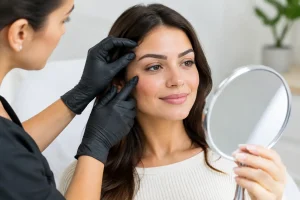
The consultation is often just as important as the procedure itself. A quality appointment should include facial mapping, a discussion of your preferred brow style, pigment selection, and a clear preview of the proposed shape. You should feel comfortable asking for adjustments before pigment is placed. Brows frame the face, so this is not the moment to rush through a design decision.
At Brows by VJ, customized mapping is central to the experience because a beautiful brow should support your features rather than follow a generic stencil.
The Trade-Offs to Understand Before Booking
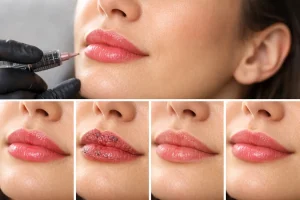
A glowing first impression is not the whole story. Fresh microfeathering typically looks darker, warmer, and more defined than the final healed result. During healing, pigment can appear to soften dramatically or seem to fade before it settles. This can be unsettling if you expect the color to look identical from day one onward.
Most clients need a perfecting session after the initial appointment. This is normal, not a sign that something went wrong. The follow-up allows the artist to assess how your skin retained pigment, reinforce areas that healed lighter, and refine the final balance. Long-term maintenance is also part of the commitment. Semi-permanent brows fade over time and may need periodic color refreshes depending on your skin, lifestyle, sun exposure, and skincare routine.
There is also a genuine skin-type consideration. Very oily skin, highly textured skin, large pores around the brow area, or frequent use of strong exfoliating products can affect how crisp hairstrokes heal. In some cases, a soft powder brow, a combination brow, or another technique may offer better longevity and a more even healed appearance. A reputable artist should be willing to recommend a different option when it serves your skin better.
Does Microfeathering Hurt?
Comfort is one of the most common concerns for first-time permanent makeup clients. Most modern appointments include a topical numbing approach, and many clients describe the sensation as scratching, pressure, or mild irritation rather than significant pain. Sensitivity varies based on your personal tolerance, hormonal changes, sleep, caffeine intake, and anxiety level that day.
The procedure takes patience. Mapping and approval should not be treated as a quick preliminary step, because they set the foundation for the whole result. Once the design is approved, the artist places strokes carefully and checks balance throughout the service. That detail-oriented pace is a positive sign, especially when your goal is a natural finish.
Healing Can Make or Break the Result
A fair review of microfeathering has to include the healing period. For the first several days, brows can look bolder than expected. Mild redness, tenderness, tightness, and light flaking are common. As the skin renews, the strokes may appear lighter or temporarily uneven. Picking at flakes, soaking the brow area, heavy sweating too soon, and using active skincare products before clearance can interfere with pigment retention.
Follow the exact aftercare guidance given by your provider. Generally, that means keeping the area clean, avoiding unnecessary touching, and pausing activities or products that introduce excess moisture, heat, friction, or exfoliation during the recommended window. Retinol, chemical exfoliants, and certain acne treatments deserve special attention because they can accelerate fading once you return to your routine.
Healing is also where realistic expectations matter. Your brows are sisters, not identical twins, and natural hair growth may remain slightly different from one side to the other. Great microfeathering improves harmony. It does not erase the individuality of your face.
Who Is a Strong Candidate?
Microfeathering may be a strong fit if you want understated definition, have normal to dry skin, and still have enough natural brow hair for the new strokes to blend into. It works beautifully for people who want a soft everyday brow rather than a sharply filled-in makeup effect.
It may not be the best starting point if you have previous permanent makeup that has not faded enough, active skin irritation in the brow area, a tendency toward problematic scarring, or medical circumstances that require provider clearance. Pregnancy, nursing, certain medications, autoimmune conditions, and recent cosmetic treatments may also affect eligibility. An honest consultation should cover health history, previous brow work, current skincare, and your desired maintenance level.
Bring reference photos if they help communicate your preferences, but stay open to professional guidance. The brow that flatters a model with a different bone structure, hair color, and natural brow density may not be the brow that flatters you most.
How to Evaluate an Artist Before You Commit
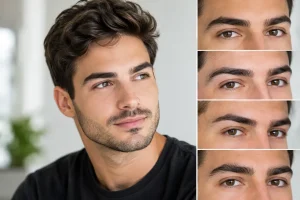
Before-and-after photos are useful, but healed results are more revealing than fresh ones. Look for work that is clear, balanced, and consistent across different clients, skin tones, ages, and brow starting points. Study whether the strokes appear to follow realistic hair direction and whether the artist avoids making every client’s brow look the same.
Ask how the artist determines candidacy, how they approach oily or mature skin, what is included in the treatment plan, and when a touch-up is expected. You should also ask about sanitation practices, pigment selection, healing expectations, and what happens if your skin retains pigment unevenly. A professional will answer directly, without promising perfection or pressuring you into a style that feels too bold.
Is Microfeathering Worth It?
For someone who wants soft, face-specific brow enhancement and understands that healing takes time, microfeathering can be a worthwhile investment in confidence and daily ease. It is not a replacement for thoughtful decision-making. The most successful results come from choosing an artist whose healed work you trust, being candid about your skin and lifestyle, and giving the process the aftercare it deserves.
Your best brow treatment is the one that feels like you, only more balanced, defined, and effortless when you look in the mirror.