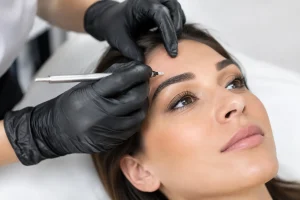
A beautiful microblading result starts before the first stroke is placed. Knowing how to prepare for microblading helps protect your skin, support better pigment retention, and give your artist the clear canvas needed to create soft, natural-looking brows designed for your face.
Microblading is a detailed, personalized service, not a one-size-fits-all brow appointment. Your artist will map your ideal shape, consider your natural hair pattern and skin tone, then create fine pigment strokes that enhance what is already there. A little thoughtful preparation helps make that artistry shine.
How to Prepare for Microblading Before Your Appointment
Start with your consultation and be fully open about your health history, skin concerns, medications, and previous brow tattooing or permanent makeup. This information is not just paperwork. It allows your artist to assess whether microblading is the right technique for your skin and goals, or whether another option, such as NanoStrokes or Ombré Powder Brows, may deliver a more lasting result.
If you have had previous permanent makeup, do not assume it can simply be covered. Send clear, makeup-free photos ahead of time if requested. Old pigment, scar tissue, color shifts, and the depth of the previous work can all affect the plan. In some cases, removal or lightening may be needed before a new brow design can be created safely and beautifully.
Avoid tanning, sunburn, and significant sun exposure for at least a week before your visit. Skin that is irritated, peeling, or freshly tanned is not an ideal surface for brow tattooing. Arrive with calm, healthy skin whenever possible.
For about one week before your appointment, pause exfoliating brow-area products unless your medical provider has instructed otherwise. This usually includes retinoids, retinol, tretinoin, acids, scrubs, and strong acne treatments near the forehead and brows. These products can make skin more sensitive and may affect healing. If you are unsure whether a product applies, bring it up during your pre-appointment communication rather than guessing.
Schedule cosmetic treatments with care. Chemical peels, microneedling, laser treatments, dermaplaning, and strong facials should not be performed close to a microblading appointment. Botox and other injectable treatments can also change brow position temporarily, so timing matters. Your artist can help you plan an order and spacing that respects both your skin and your desired brow shape.
What to Avoid in the Days Before Microblading
The goal is to minimize excess bleeding, sensitivity, and inflammation. Alcohol should be avoided for 24 to 48 hours before your appointment. It can thin the blood and may lead to more bleeding during the service, which can make it harder for pigment to settle evenly.
Limit caffeine on the day of your appointment, especially if you know it makes you jittery or sensitive. You do not have to arrive exhausted, but choosing water, a light meal, and a calmer morning can make the experience more comfortable. Hydrated, well-nourished clients generally feel better during a detailed appointment that requires them to lie still for an extended period.
Do not stop prescribed blood thinners, medications, or supplements without direction from the clinician who manages your care. Instead, disclose them in advance. Aspirin, ibuprofen, fish oil, vitamin E, and some herbal supplements can affect bleeding for certain clients, but the right approach depends on your individual health needs. Your safety always comes before a cosmetic procedure.
If you are feeling unwell, have an active skin flare-up, a cold sore concern, or a breakout directly around the brow area, contact the studio before your appointment. Rescheduling is sometimes the best choice. It is far better to wait for healthy skin than to compromise comfort, healing, or the finished result.
The Best Way to Arrive on Appointment Day
Come with clean skin and no brow makeup. Skip foundation, tinted moisturizer, brow pencil, powders, or skincare products around the forehead and brow area. Your artist needs to see your natural structure, skin texture, and hair growth clearly before beginning the facial mapping process.
Wear comfortable clothing and eat a satisfying meal beforehand. Microblading appointments often include consultation, brow design, numbing, pigment selection, the procedure itself, and a review of your aftercare plan. This is intentional, detailed work. Giving yourself enough time means you do not need to rush the design stage, which is where your artist balances symmetry with the natural movement and individuality of your face.
Bring visual inspiration only as a conversation starter. A photo can communicate whether you prefer a fluffy, soft, defined, or more structured brow, but your final design should be tailored to you. The brow shape that flatters someone else may not honor your bone structure, natural density, or desired level of maintenance. The most refined results look like they belong on your face, not like they were copied from someone else’s.
If you wear contact lenses and are prone to dry or watery eyes, glasses may be more comfortable for the appointment. Consider your schedule afterward as well. Avoid planning a workout, a sauna visit, swimming, or a night out that could expose fresh brows to sweat, heat, moisture, or makeup.
Plan for Healing, Not Just the First Reveal
Fresh microbladed brows are only the beginning of the process. They may appear darker, warmer, or more defined immediately after the service than they will once healed. Over the next several days, the skin may feel tender and the brows may lightly scab or flake. As the area heals, the color can appear to fade before it settles back in. This is a normal part of pigment healing for many clients.
Your aftercare instructions should come directly from your artist because methods and products can vary. In general, you will need to keep the area clean, avoid picking or scratching, and protect the brows from excess water, sweat, sun, and skincare products during the initial healing period. Picking at flakes can pull pigment out prematurely and create uneven retention.
Be realistic about your calendar. If you have a beach vacation, intense fitness event, facial treatment, or major photo event coming up, schedule with enough time for the initial healing phase and any recommended perfecting session. Most microblading services are a process, and a touch-up appointment is often where the artist refines areas that healed lighter and perfects the overall balance.
When Microblading May Need a Different Plan
Microblading can be an excellent option for many people, but it is not always the best fit. Very oily skin, heavily textured skin, certain acne conditions, mature skin, or significant previous brow tattooing may call for a different technique. Fine hairstrokes can blur or fade more quickly on some skin types, while a soft powder effect may offer more dependable retention.
Pregnancy, nursing, certain medical conditions, active skin infections, keloid tendencies, and some medications may also affect eligibility. A skilled artist will never treat a consultation as a formality. They will ask the right questions, explain the trade-offs clearly, and recommend the technique that gives you the best chance of a natural, lasting result.
For clients in Sandy Springs and the greater Atlanta area, Brows by VJ approaches every brow as a custom design. The goal is not simply fuller brows. It is to create a polished, believable enhancement that fits your features, lifestyle, and comfort level.
Give yourself permission to ask questions before you book and before the procedure begins. The right preparation creates more than a smooth appointment day – it gives you the confidence to relax, trust the process, and enjoy the moment your new brows begin to take shape.