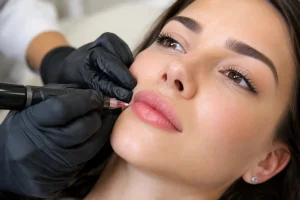
Your brows may look beautifully settled after permanent makeup, then gradually seem lighter, softer, or less even months later. That change is expected, not a sign that anything has gone wrong. This guide to brow touch ups explains what maintenance is designed to do, when to schedule it, and why a careful, customized approach protects the natural-looking result you chose in the first place.
For powder brows, NanoStrokes, microblading, microfeathering, and other brow tattoo techniques, a touch-up is not simply a repeat of your original appointment. Your skin, retained pigment, lifestyle, and current brow shape all matter. The goal is to refresh definition without overworking the skin or making the brows look heavy.
What a Brow Touch-Up Is Really For
A brow touch-up restores faded pigment, refines areas that healed lighter than expected, and brings balance back to the overall design. It can add dimension to a soft ombré brow, reinforce hair-like strokes that have faded, or adjust a small inconsistency in color retention. When performed at the right time, it helps your brows continue to look polished while still feeling like your own.
There are two common types of appointments. The first is the perfecting session, usually scheduled after the initial procedure has fully healed. The second is a maintenance touch-up, often needed later as pigment naturally fades over time. They serve different purposes, so timing matters.
The perfecting session is part of the healing process. Fresh permanent makeup can appear darker at first, then soften as the skin heals and pigment settles. Some clients retain color evenly, while others notice lighter patches or areas where their skin did not hold pigment as strongly. A skilled artist evaluates the healed result and makes precise adjustments rather than guessing during the first appointment.
Maintenance touch-ups are for brows that were once fully healed and balanced but have gradually lost visibility. Most clients benefit from maintenance somewhere around 12 to 24 months, though there is no single schedule that fits every face.
When to Book Brow Touch Ups
The best time for a brow touch-up is when your existing shape and pigment are still visible but no longer delivering the definition you want. Waiting until the brows have almost completely disappeared can make the service more like a new procedure, especially if the original design needs to be recreated.
Sun exposure, skincare habits, skin type, medications, and the original technique can all influence fading. Oily skin may soften crisp hairstrokes faster than dry or balanced skin. Clients who use retinoids, exfoliating acids, brightening products, or professional resurfacing treatments near the brow area may also notice faster fading. Regular swimming, frequent sun exposure, and a naturally fast skin-cell turnover can contribute as well.
Technique plays a role, too. Powder brows often fade into a soft wash of color and can be ideal for clients who prefer longer-lasting makeup-style definition. NanoStrokes and microblading create finer, more hair-like detail, but delicate strokes may require more thoughtful maintenance depending on skin type and daily routine. During a consultation, the right recommendation should reflect your skin and desired finish, not a one-size-fits-all timeline.
If you are unsure whether you need a touch-up, look closely at your brows in natural daylight. Are they lighter than your hair color or complexion calls for? Has the tail faded more than the front? Do you find yourself filling them in most mornings again? Those are useful signs that it may be time for a professional assessment.
Why the Healed Brow Matters More Than the Fresh Brow
Fresh brows do not show the final result. Immediately after treatment, pigment can look deeper, sharper, and more prominent than it will once healing is complete. As the skin recovers, flaking and color softening are normal. The brows may even seem too light for a short period before the settled color becomes more visible.
That is why adding pigment too soon is rarely the answer. Working on skin before it has fully recovered can affect healing, color retention, and the clarity of the final result. A reputable artist will assess the healed skin rather than rush a client into another session.
At a touch-up appointment, the artist looks at more than fading. Facial symmetry, brow movement, natural hair growth, skin texture, and changes in your preferences are all part of the plan. A brow that looked perfect two years ago may need a subtle color adjustment today, particularly if your hair color, complexion, or makeup style has changed.
How to Prepare for a Brow Touch-Up Appointment
Preparation supports a more comfortable appointment and a cleaner result. Follow the pre-care instructions given by your artist, as recommendations can vary based on your health history and the service being performed. In general, avoid anything that may increase sensitivity, irritation, or bleeding in the treatment area.
For several days before your appointment, avoid aggressive exfoliation, retinoids, and strong active skincare around the brows unless your medical provider directs otherwise. Avoid tanning and prolonged sun exposure, since irritated or sunburned skin is not ready for treatment. It is also wise to avoid alcohol shortly before the appointment and to arrive well hydrated and well rested.
Bring reference photos only if they help communicate a preference, not as a template to copy. Every brow needs to be designed around the individual face. Bone structure, natural hair pattern, skin tone, and the amount of existing pigment all influence what will look balanced. The most flattering brow is not necessarily the boldest brow on a screen.
What Happens During the Touch-Up
A quality touch-up begins with assessment and mapping. Your artist reviews the existing pigment, checks for uneven fading, and discusses whether you want to preserve the current shape or make a subtle refinement. This is the moment to be candid about what you love and what you would like adjusted.
The area is then prepared, and pigment is placed strategically where it is needed. Sometimes that means a light overall refresh. Other times, the focus is limited to a faded tail, sparse arch, or a few softened hairstrokes. More pigment is not automatically better. The best result is one that restores balance while respecting the skin and preserving a soft transition from brow to face.
Comfort is part of professional care. Most clients find the appointment manageable, and topical numbing methods may be used according to the treatment plan. If you are prone to sensitivity, have a history of cold sores, use prescription skin medications, or have recently had another facial treatment, disclose it before booking so your provider can guide you appropriately.
Aftercare That Helps Your Brows Heal Beautifully
Your touch-up requires healing time just like your original service, although the process can feel more familiar. The treated area may appear darker at first, and mild tenderness or tightness can occur. Follow your artist’s aftercare instructions exactly, particularly regarding cleansing, moisture, makeup, sweating, and sun exposure.
Do not pick at flaking skin or try to speed up the process with exfoliants. Prematurely removing healing skin can pull out pigment and create uneven retention. Avoid soaking the brows, saunas, intense workouts, swimming, and direct sun for the period recommended by your artist. Once the area is fully healed, daily sun protection helps preserve the color longer.
If you receive facials, chemical peels, laser services, microneedling, or other advanced skin treatments, tell every provider that you have permanent brows. Treatments should be kept safely away from the brow area or scheduled with adequate spacing. Your brow investment and your skin goals can work together when the timing is planned thoughtfully.
Choosing the Right Level of Refresh
A touch-up should never feel like an obligation to make your brows darker each year. Some clients only need a small color boost. Others may benefit from a fuller refresh because their pigment has faded significantly or their brow style has evolved. There is also a point where a new procedure may be more appropriate than maintenance, particularly when little visible pigment remains.
For clients in Sandy Springs and the greater Atlanta area, Brows by VJ approaches each appointment as a fresh design conversation. The focus is not on repeating a formula. It is on evaluating what your brows need now, then creating refined, face-specific definition that fits comfortably into your everyday routine.
Your brows should save you time without demanding attention for the wrong reasons. When they begin to fade, a well-timed touch-up can bring back that quiet confidence: a balanced shape, believable color, and a polished look that still feels completely natural.