Your brows may look beautifully defined when you leave your appointment, then appear softer, lighter, or even slightly uneven during healing. That change can make clients wonder when to get brow touchup services and whether what they are seeing is normal. The answer depends on where you are in the process: healing from a new brow procedure is very different from maintaining brows you have enjoyed for a year or more.
A thoughtfully timed touchup protects the natural-looking result you invested in. It gives pigment time to settle, allows your artist to see how your skin retained color, and creates an opportunity to refine small areas with precision rather than overworking the brows too soon.
Your First Brow Touchup: Usually 6 to 10 Weeks Later
For most permanent makeup brow services, the first touchup is scheduled about 6 to 10 weeks after your initial appointment. This is commonly called a perfecting session. Whether you chose NanoStrokes, Microfeathering, Microblading, Ombré Powder Brows, or a customized combination technique, your skin needs time to complete its healing cycle before more pigment is added.
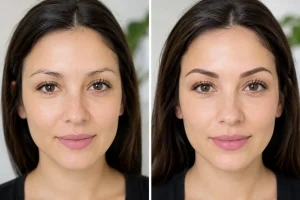
In the first several days, brows often look darker and more defined than the healed result. As the skin heals, they may flake, soften, and seem to fade dramatically. This temporary light phase can feel surprising, especially for first-time permanent makeup clients. Underneath the surface, however, the pigment is settling into the skin. The true healed color is easier to assess after several weeks.
At your perfecting appointment, your artist evaluates retention, shape, symmetry, color, and density. Some clients retain pigment evenly and only need subtle refinement. Others may need more definition through the tails, a few additional hair strokes, or color adjusted in areas where the skin did not retain as strongly. This is not a sign that something went wrong. Skin type, lifestyle, aftercare, medications, and natural healing response all affect retention.
Scheduling this session too early can interfere with healing and make it difficult to see what genuinely needs attention. Waiting too long may mean more fading than expected, which can turn a simple refinement into a larger color boost.
When to Get Brow Touchup Maintenance After Healing
After the initial procedure and perfecting session, most clients return for a brow touchup every 12 to 24 months. That range is intentionally broad because permanent makeup fades differently from person to person. A touchup is best booked when your brows have softened enough that you are filling them in more often, your shape is less visible without makeup, or the color no longer gives the polished frame you loved after healing.
You do not need to wait until all pigment has disappeared. In fact, touching up brows while there is still a soft foundation of color often supports the most natural result. Your artist can refresh what is already there, preserve the original design, and avoid adding unnecessary saturation.
For some clients, 12 months is the right time. This is more common with oily skin, high sun exposure, frequent workouts, active skincare routines, or a preference for a more defined brow. Others may enjoy their results for 18 to 24 months before a refresh is needed. Dry or balanced skin may retain certain techniques, particularly soft powder effects, for longer.
The goal is not to follow a calendar blindly. It is to refresh your brows when they no longer reflect the level of definition that feels like you.
Signs You May Be Ready for a Refresh
A maintenance touchup may be a good next step if your brows look faded in photos or daylight, you have returned to using a brow pencil most mornings, or the tails have become noticeably lighter than the fronts. You may also notice that the color has softened more than you prefer, even if the general shape is still visible.
A touchup can also be useful after a major change in your appearance goals. Perhaps you want a slightly softer front, a more lifted tail, or a shade that better complements changes in hair color. These refinements should be approached with care. Permanent makeup is designed to enhance your facial features, not chase every short-term trend.
If you are unsure, clear, makeup-free photos in natural light can help your artist assess whether you need a touchup now or can comfortably wait a few more months. An in-person evaluation is especially valuable when your previous work was done elsewhere or when you are considering a shape or color change.
What Makes Brows Fade Faster?
Fading is a normal part of the permanent makeup process. The pigment is implanted more superficially than a traditional body tattoo, which allows for a softer, more natural-looking effect as it heals and ages. Still, certain factors can speed up that fading.
Sun exposure is one of the most common reasons brow color loses vibrancy sooner. Daily SPF around the brow area, once fully healed, helps protect both your skin and your results. Frequent swimming, sweating, and heat exposure may also affect longevity over time, particularly during the early healing period.
Skincare matters too. Retinoids, exfoliating acids, chemical peels, and aggressive exfoliation near the brows can accelerate fading. Treatments such as microneedling, laser services, IPL, and certain facials should be planned thoughtfully around your brow appointment. Your provider can advise you on the appropriate pause before and after treatment so your brows and skin receive the care they need.
Oilier skin can cause individual hair-stroke techniques to soften more quickly. That does not mean natural-looking brows are out of reach. It simply means a technique such as Ombré Powder Brows, or a tailored blend of shading and strokes, may offer better long-term retention for your skin. Personalized technique selection is one reason a detailed consultation matters.
Don’t Touch Up Too Soon Just Because Brows Look Lighter
The urge to book immediately after flaking is understandable, but this is one of the most common moments to be patient. Brows often appear very light after the visible flakes fall away. Over the following weeks, color can gently reappear as the skin continues to heal.
Picking, scrubbing, or applying makeup over healing brows can pull pigment from the skin and create patchiness. Instead, follow the aftercare provided by your artist, keep the area protected, and allow the full healing period to unfold. Permanent makeup is a layered process of artistry, skin response, and time.
It is also wise to postpone a brow touchup if your skin is irritated, sunburned, actively breaking out near the brow area, or recovering from another facial treatment. If you are pregnant, breastfeeding, taking blood-thinning medication, using prescription skin treatments, or managing a medical condition that affects healing, consult with your provider and medical professional before booking. Your comfort and safety should always lead the decision.
A Touchup Should Look Like You, Just More Polished
A great brow touchup is not automatically darker, bolder, or more dramatic. It is carefully customized to restore balance. The best result may be a soft color refresh, a little added density, or delicate correction in the areas that faded first.
At Brows by VJ, brow mapping and facial balance remain central at every stage, including maintenance. Your bone structure, natural hair growth, skin tone, and daily style all inform the approach. For clients who want subtle enhancement, the aim is brows that look naturally fuller and more even, not drawn on. For clients who prefer more definition, the shape and color can be refreshed without losing softness.
When you begin reaching for brow makeup again or notice that your results no longer give you that effortless, put-together feeling, it may be the right time to schedule a consultation. A well-timed touchup keeps your brows looking intentional, refined, and beautifully your own.